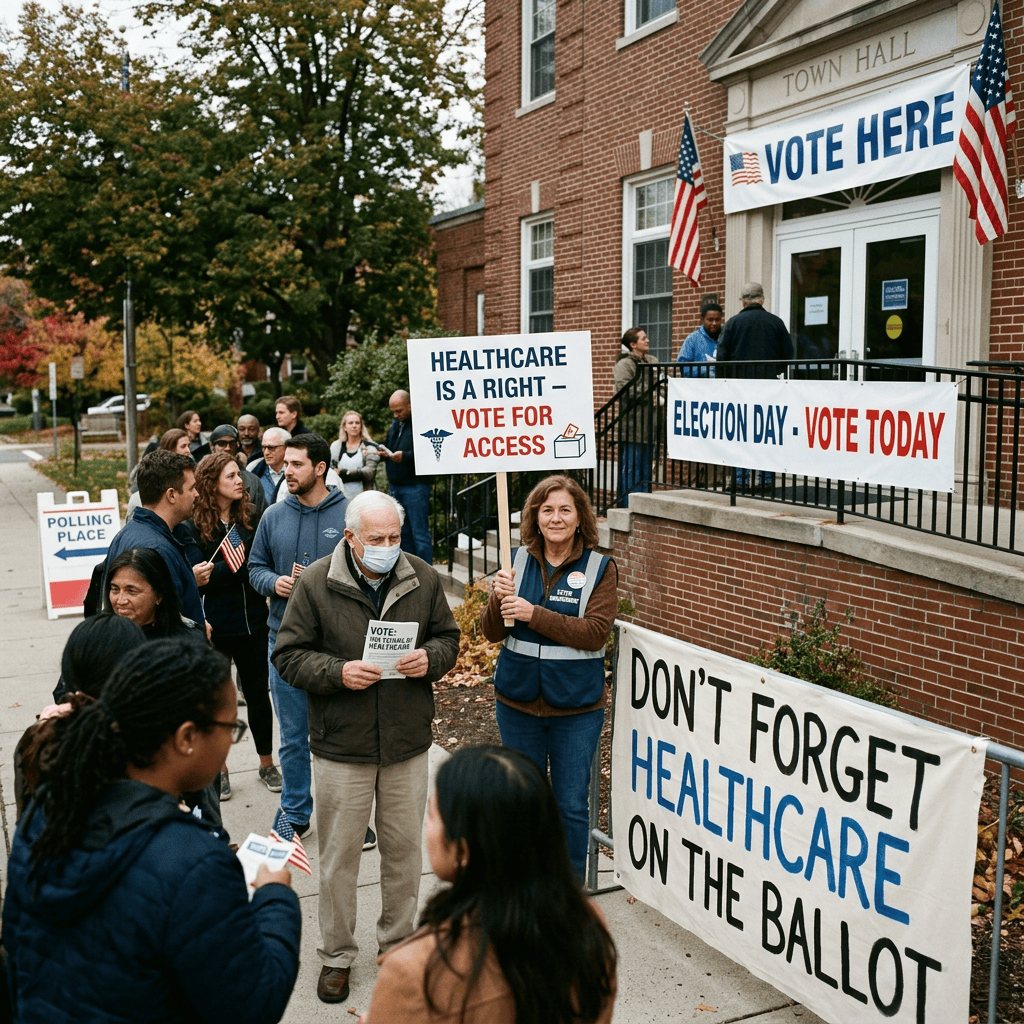
The midterms are over and many of the democratic candidates ran with a specific focus on healthcare policy in their messaging. It was great to see multiple medical providers win elections as well and know that they actually understand and have experience in what they are talking about. A lot of the dialogue has basically been about reversing Trump era cut backs in regulation and program benefits: this would include re-instituting ACA tax credits that helped keep premiums down for these plans, reversing Medicaid cuts, and expanding state level Medicaid programs. Secondly, the candidates were focused on pro-science messaging and targeting health disinformation, especially the anti-vaccine rhetoric of the current MAHA movement led by RFK Jr. Finally, many advocated the idea of Medicare for all, an idea that has floated around the progressive political movement for the last decade.
We all know what the first two points would look like if implemented: things would go back to the way things were in 2025, and pre-Trump in 2024 respectively. There likely would be a significant drop in premium costs for ACA insured folks across the country. The NIH, CDC, and research grants for universities across the nation would be bolstered by funding.
The bigger question is what would it look like for Medicare for all to actually be implemented? What many do not realize is that a bill was already proposed by Bernie Sanders with the following main points:
- 4 year phase in by lowering the eligibility age for Medicare to 55 the first year, 45 the second year, and then 35 the third year. The 4th year would then include all US residents. Basically all residents would be automatically enrolled.
- There would be no premiums or deductibles, and there would be some costs associated with higher income earners, and certain drug costs.
- The coverage would expand: primary and preventative care, reproductive care and prescription drugs would be packaged in the same plan.
- Dental, vision and hearing would also be integrated.
- Private insurance would then be restructured to only allow supplemental coverage.
- Taxes would be restructured to cover costs: a payroll tax would be implemented to replace the private insurance copayments that business currently pay, a individual income tax would be levied that would mirror the premiums that are currently paid by every worker, and then other various tax adjustments were included in the bill.
The Yale School of Public Health studied the implementation of this type of system on the US economy and projected a 1 trillion dollar annual savings, and 114,000 lives saved yearly due to access to preventative care and cutting soaring costs. The study found that a massive portion of total US health care spending goes to administrative middlemen, drug costs, and emergency care that would be averted by a single payer system.
Is this impossible to do? I think the change is totally possible. The problem is political will and money from those who profit from our current system simply paying off Washington to not change a thing. The best and brightest from our current insurance industry could certainly put their skills into other sectors and helping administratively run the larger Medicare program. As well, this type of system puts health care decision making back into the hands of health care providers like doctors, nurses and pharmacists while removing it from the business sector.
What else does our system need at the same time?
- Restructuring of payment programs for providers that would promote small businesses in healthcare, not mega-corporations, including incentives for rural clinics and hospitals. This can be true for pharmacies as well.
- Along with Medicare for all, I think we should offer an EMR for all, and providers and hospitals can certainly pay for it the same way they pay for our current system of private electronic records. Then records would be completely portable.
- Restructuring malpractice insurance and risk for providers at a national level, to decrease risk for high litigation professions like obstetrics.
Could we do this in the United States? I think so. Why wouldn’t we? Simply to persist in the false narrative that a single payer is somehow a step towards a communist black hole when the reality of our current system is both unsustainable long term and profits a very small segment of our richest citizens at the expense of our sick.
I hope the newly elected politicians will take a long, hard look at policy and talk to health care workers who do the hard work of taking care of Americans and then put into action a plan to make healthcare a right and not a commodity.


Leave a Reply