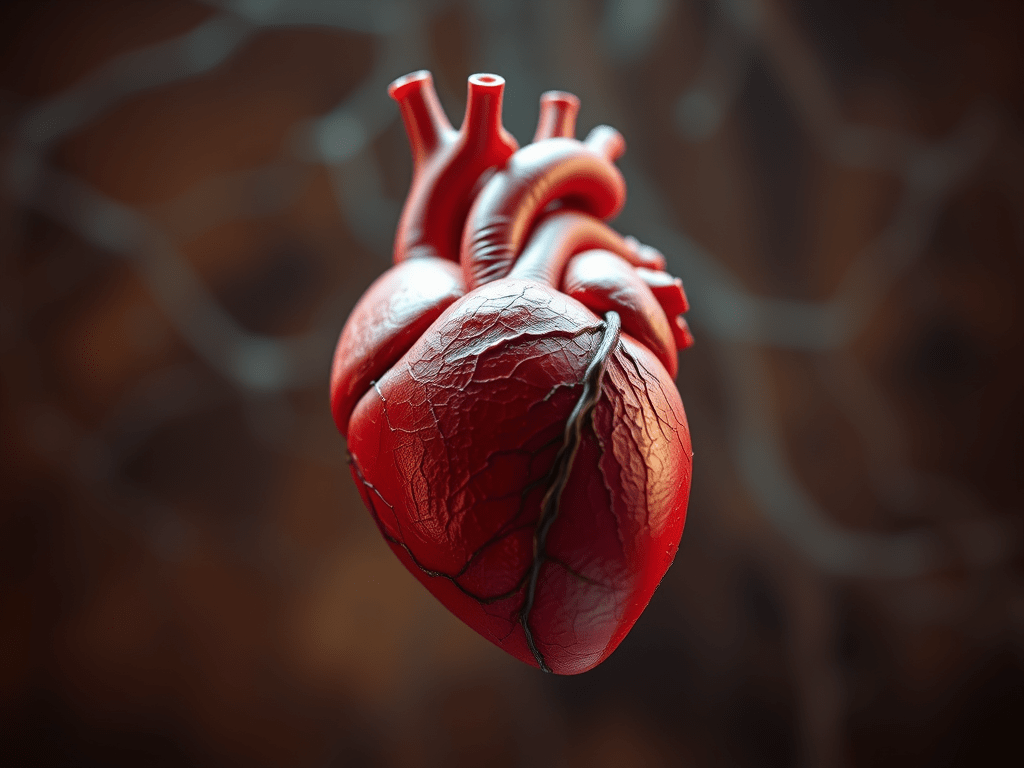

If you are going to worry about your health, what should be on the top of the list? Your HEART.
Number one killer: In the United States, one of every 5 deaths is heart related. This has been the case for decades, but our treatment abilities for this deadly group of diseases has increased significantly. In fact, death rates have decreased by 60% since 1960, which is a huge improvement and thanks to brilliant developments in medical science. Regardless, risks are still significant, and I would guess that rates will go up in the next decade as the result of other issues in our population, namely diabetes and obesity. Statistics show that for the first time heart disease death rates have increased since we began tracking in the US just in the last few years (since 2020). Most experts believe that heart disease though is 90% preventable: in other words, you have the ability to reduce your risk for heart conditions.
Types of heart disease – The main five:
Coronary artery disease – the cause of heart attacks. This disease is related to the narrowing of arteries that lead to the heart muscle. This is caused by plaque which is a substance the builds up in the artery walls composed of cholesterol, fats and other chemicals. When the artery narrows, precious oxygen supplied by the blood is inhibited leading to heart muscle weakening and death.
Congestive heart failure – the chronic weakening of the heart muscle, which leads to decreased blood flow, not meeting the needs of the body. This is caused by many factors: coronary artery disease, hypertension, diabetes, congenital heart issues, obesity, irregular heart rhythm, drugs and alcohol. The complications of heart failure are many: swelling and fluid buildup, shortness of breath with exertion, organ damage, and sudden death.
Peripheral artery disease – Basically the narrowing of the blood vessels in other parts of the body, such as the limbs. This produces the same problem as CAD: decreased blood flow which can cause cell death due to an inadequate supply of oxygen.
Arrhythmia – There are many types of rhythm problems, but all have the same issue: lack of a normal rhythm in the heart leads to blood flow problems, and lack of adequate energy to the body tissues. It also can lead to clotting of blood as it by pools in the heart which can cause heart attack, strokes and pulmonary embolism.
Valvular heart disease – mechanical problems with. the valves in the heart that help direct blood flow. This is often congenital but can be caused by heart attack, heart failure and age related changes to heart tissue.
Risk factors for heart disease:
- Smoking
- Hypertension
- High cholesterol
- Diabetes
- Obesity
- Poor diet
- Lack of exercise
- Excessive alcohol
How to assess risk? There are online tools that are helpful to use that give you a risk percentage during the next ten years. I have used the following tools located on the web often in discussions with patients. You’ll need to know your cholesterol numbers from lab work, your blood pressure, and a few health history items:
American College of Cardiology: https://tools.acc.org/ascvd-risk-estimator-plus/#!/calculate/estimate/
American Heart Association: https://professional.heart.org/en/guidelines-and-statements/prevent-calculator
Basically you want your risk as low as possible, which means below 5% risk of a heart attack in the next 10 years.
In the last few years, I’ve also added a few other tools to my testing including lipoprotein (A) and apolipoprotein B. These are markers that can show increased risk. I also have opted for a coronary calcium score which is calculated from a low dose radiation CT scan of the chest. This looks for calcium deposition in the arteries of the chest that correlate with plaques.
What do I do for heart health?
Modify your risk factors: If you smoke, then stop. If you have high blood pressure, talk to your primary care provider about how to lower your numbers with diet, exercise, and medication. The same can be said for cholesterol elevation and diabetes. If you are obese, or even overweight based on your BMI, then work on a weight loss program with your primary care, which will include dietary change and adding exercise. Some people will also benefit from medication.
Regardless, start exercise! Basically, you need 150 minutes of moderate or above level exercise per week, along with two sessions per week of strength training for best results. That’s literally just 30 minutes per day of exercise time. I always recommend starting slow and working your way up. Go for a 5 minute walk today, and repeat every day. This could be anywhere! Next time you go shopping, just park as far away in the lot as possible. Next week increase up to 10 minutes, and so on. Make a plan with your primary care provider taking into account your health for an individualized plan that will be the safest option for your welfare.
Work on a natural food diet! The Mediterranean Diet is a great meal planning tool, but in my experience, the best action plan is to eat less (decrease your portion size) and replace any processed foods with real, whole foods found in nature. So, if you eat apple sauce, eat an apple instead. If you can’t identify natural foods in the item you are eating, then try eliminating it. Bread and other baked goods, breakfast cereal, any drink other than water, and protein bars are all NOT found in nature. Any vegetable is easily identified and grown in the garden. Start small and work you way up over time. Quick weight loss is never effective: I have recommended 1 pound per week max. This has been found to be most efficacious long term.
Alcohol: drink occasionally or not at all. There is really no healthy level to take in, and most people who drink, also struggle with add on habits like smoking and inactivity.
The lifestyle described above is the very lifestyle that every page of this blog points to for living your best life. I find it interesting how consistent science is when it comes to heart health and overall healthy lifestyle.
If you are concerned about your health, then you are concerned about your heart! Work on the above risk factors and develop habits that support your health. You will feel better, sleep better, function better and decrease your risk of heart disease.
Does this seem overwhelming? Start a conversation below and we can talk about it, adding to our collective knowledge and motivation for healthy living!



 Myhealthadventure
Leave a comment