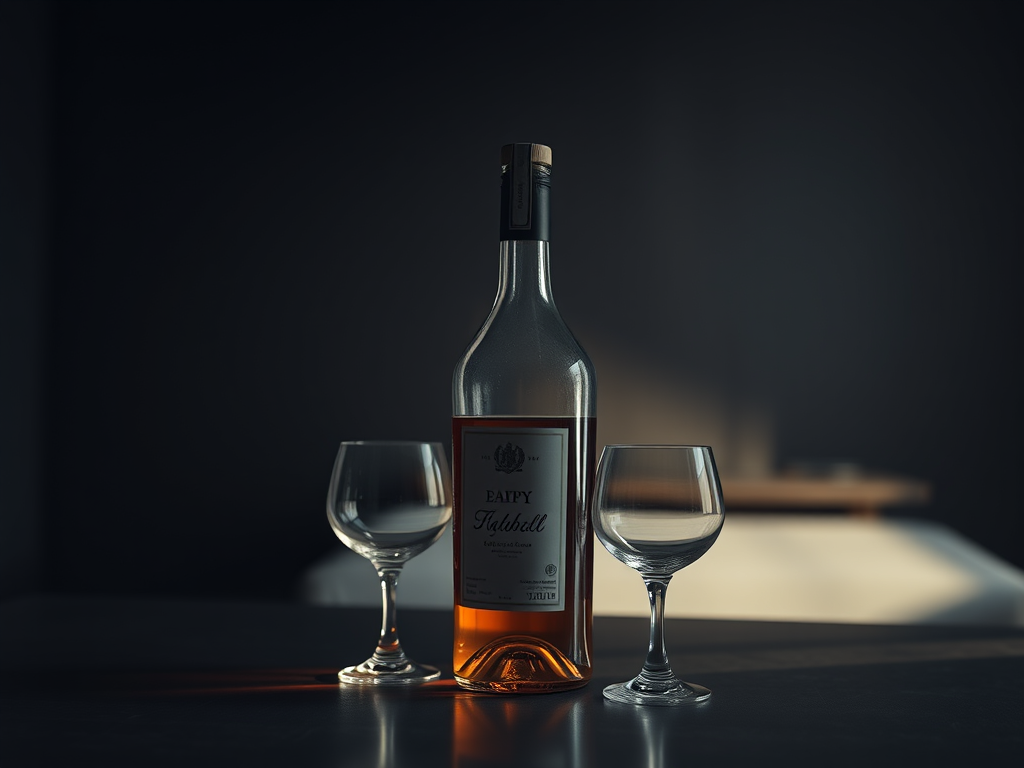
For decades, the healthcare world believed that a bit of alcohol every day provided some heart benefit, specifically red wine. It seemed to be part of the magical Mediterranean diet, which again and again proves wondrous for the human heart and decreased disease. Unfortunately, the science behind this suggestion was wrong, and not only false but purposely tainted by industry.
The main argument against alcohol in the new thinking is that all these great studies are correlations without causation: in other words the data doesn’t actually point to alcohol or wine, but to the association of red wine to healthier heart outcomes. So, a lot of things contribute to improved heart health in these studies, like the Mediterranean diet in general and higher levels of exercise and healthcare access among those who have this diet. Wine is most likely a side car to the real healthy habits. How can I say this? The vast research done on specific harms of alcohol are very convincing, and are not just correlation. The same can be said about the Mediterranean diet except in the opposite way, showing benefit and not harm. So, concluding that alcohol was heart healthy was really a careless and error prone assertion.
This is why both the CDC and World Health Organization have both come out with the following recommendation: there is no healthy amount of alcohol to drink.
But people have been drinking alcohol for as long as we’ve been around!!! Don’t take my favorite habit away! Well, this is the same argument used for smoking back in the ’60’s, and just because people do it and have done it for a long time, doesn’t validate it.
But how can science change it’s mind? That doesn’t make sense, so all science is pointless! Well, science is not infallible. A recent review of all the systematic reviews of alcohol and health found an interesting slant: All the studies funded by the alcohol industry found a correlation with alcohol consumption and health, and tended to be correlation studies as opposed to causation. The unfortunate fact is that studies of alcohol have a strange way of attracting funding from those who profit from it. This then has slanted the results in favor of alcohol. Just because a lot of athletes in Russia were using performance enhancing drugs does not mean that the Olympics should be canceled. In the same way, just because some science is now known to be flawed doesn’t mean that all the science is invalidated. Hopefully, we learn from our mistakes.
In terms of bad effects on the body, alcohol has many:
- altered cognitive function
- heart function is impaired with deadly effects over time
- liver damage occurs
- cancer is directly caused, and the colon is specifically susceptible
The list goes on and on. The more we learn, the more of a cautionary tale this becomes. The observation that is helpful to remember is that the effect of alcohol is dose dependent. The more you drink, the more problematic the effects.
A few hundred years ago, it was thought that bleeding someone would cure them of disease. Now we know that everyone who was bled back in those days died of the cure and not the disease. This is certainly not as extreme of a case, but adding alcohol to your diet has not done anyone any obvious good.
As a former chemistry lab nerd, I have always been wary of alcohol. Any substance that you can light on fire with a match and could possibly explode is inherently not a good thing to ingest!
What do we do in light of this information? I think we should change our habits. In 2021, the average American aged 21 and older drank over 600 servings of alcoholic beverage during the year: 2-3 per day. When you consider that a good third of the country doesn’t drink at all, then for those who do, that is a lot! Heavy drinking is correlated with vacation and entertainment venues. We tend to drink a lot when we have fun.
Decrease alcohol consumption. If you drink wine every night with a meal, cut back to a few nights per week, or drink 1/3 of a glass and never have more. If you have problems with alcohol, in terms of habitual drinking and addiction, get help. Do dry January. It’s a healthy plan to check yourself and your reliance on a habit or thing that is not doing you any good. Rethink fun: try going to a ball game and NOT drinking. Try vacationing without alcohol, and doing adventure and outdoor activities instead. Let’s categorize impaired cognition and liver / heart stress where they belong: rare occurrences and poor choices.
This is the message I now give all my patients: less is better.
Will I ever consume an alcoholic beverage? A few a year sounds fine to me, and never more than one.
References:
The CDC: https://www.cdc.gov/alcohol/index.html
Systemic review of research: https://pmc.ncbi.nlm.nih.gov/articles/PMC8586735/
WHO: https://www.who.int/health-topics/alcohol#tab=tab_1
Alcohol health effects: https://www.niaaa.nih.gov/alcohols-effects-health/alcohols-effects-body
US alcohol facts: https://www.pewresearch.org/short-reads/2024/01/03/10-facts-about-americans-and-alcohol-as-dry-january-begins/



 Myhealthadventure
Leave a comment