
Backpacking is an adventure that forces you to utilize an entire toolbox of skills in order to have a memorable event. Not only do you have to be in good shape, with stamina for long haul activity, but you need to understand and be able to implement survival skills, planning, and gear use to avoid dangerous situations. The outcome is so satisfying and you get to experience nature in a unique way.
A friend from work and I decided to backpack for four nights in Olympic National Park. At first I had a fine idea to hike from the North Quinault over the Low Divide and down the Elwha River for a south to north hike across the entire park. Luckily I knew to check the website for conditions ahead of time and to reserve my camping nights at recreation.gov. Here I found that this awesome trek is not possible this year due to fire damage from last year. I picked an alternate route, starting at the Staircase entrance and juggled many different options. We wanted to do the hike at the end of June and beginning of July, so had to confront physical realities of the park: snow and river status. Few had ventured into this part of the park at this point in the year, so it wasn’t obvious what the snow status was going to be over the pass, called the First Divide. The through hike we considered also had a ford across a major river, and June water levels can be really rough for folks. The combination of these factors led us to choose an in and out hike, starting at the Staircase entrance to the park, and reaching two main points: the Low Divide Pass and Flapjack Lakes.
This was my friend’s first backpacking expedition over one night, and his second overall, so he had just accumulated his gear this spring, and was ready to try it all out. We met and went over the backpack, the ten essentials, tents, sleeping bags, and water purifying. Then we reviewed food packing and protection, prep with the campstove, and light options. Finally, we talked through the tent, overnight warmth and safety, and essential clothing. Then we did a warm up weekend trip to go over navigation, hiking best practices, and leave-no-trace practice. I was shocked at how much info you need to know in order to have a great experience! This is no walk in the park… When you do an activity often and then become used to the routine, it is easy to forget how many pieces the puzzle has until you try to show someone else. The websites that were most helpful were the actual national park site and REI, the retail CO-OP with tons of good info:
It was great to go over everything in detail as it helped remind me why I do the things I was taught: be prepared, safety first, and leave no trace. These frameworks guide your preparation and how you think through the activities that make up a backpacking trip, especially one that lasts five days.
Day 1: Hiking in
I like to hike in to a camp destination and leave in the morning so there is time to set up camp and enjoy. Driving in always takes longer than I think it will despite all our technology from Google, so I leave a little wiggle room. The first part of the hike is always about adjusting the backpack for me and getting into a rhythm.
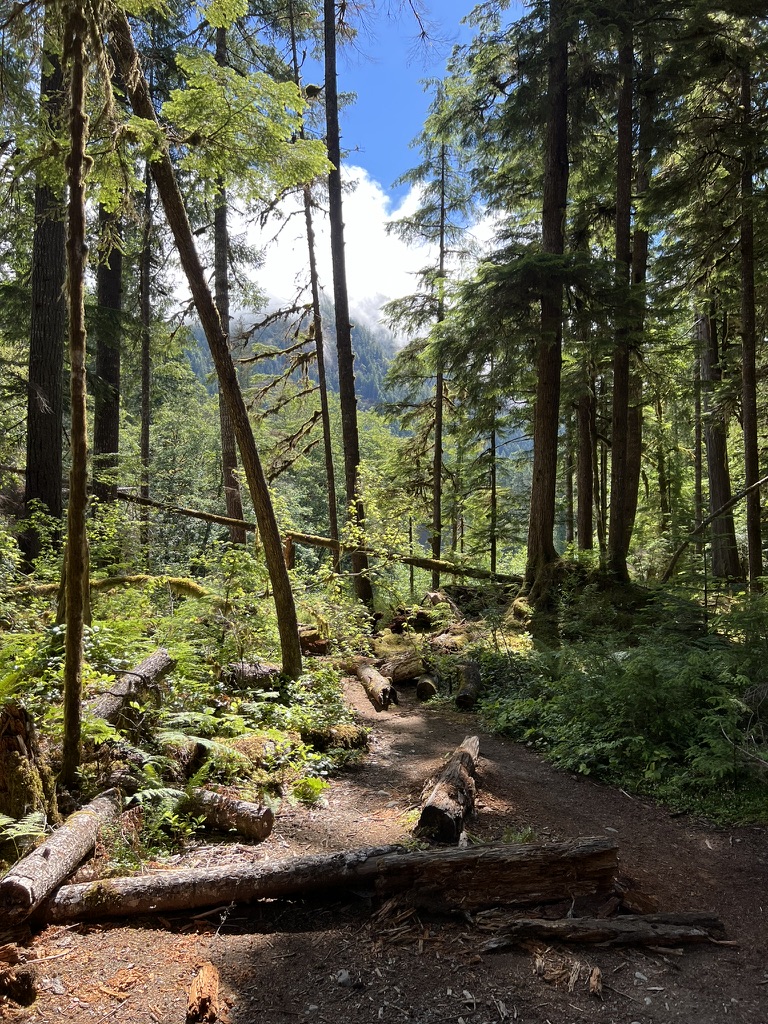
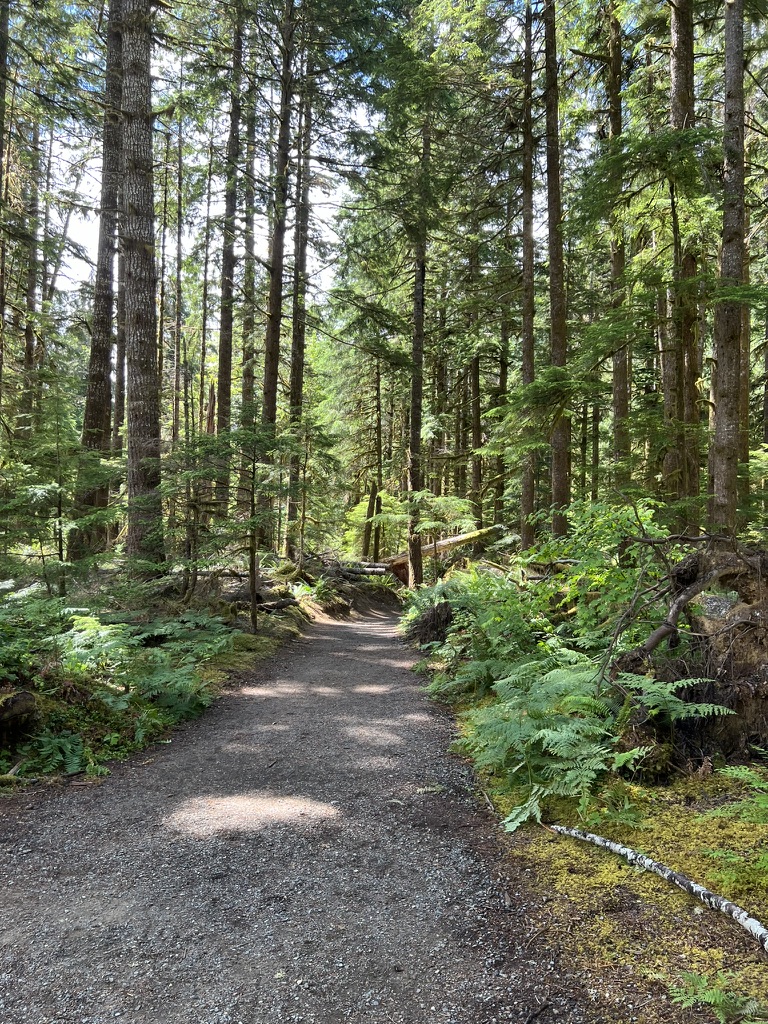
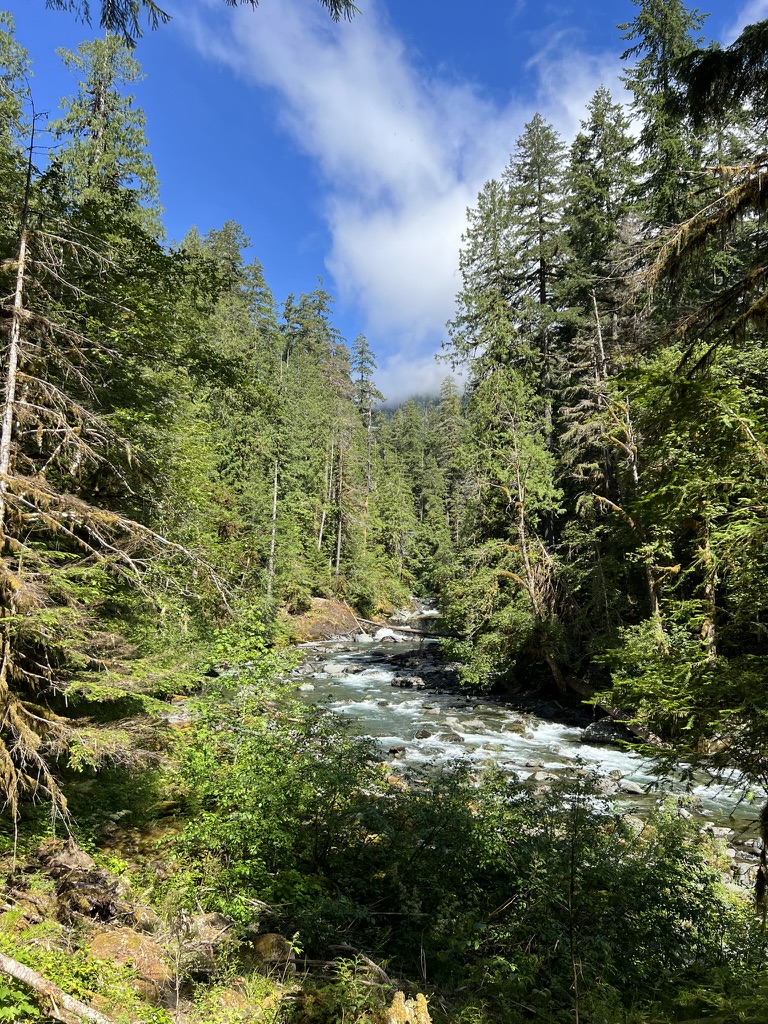

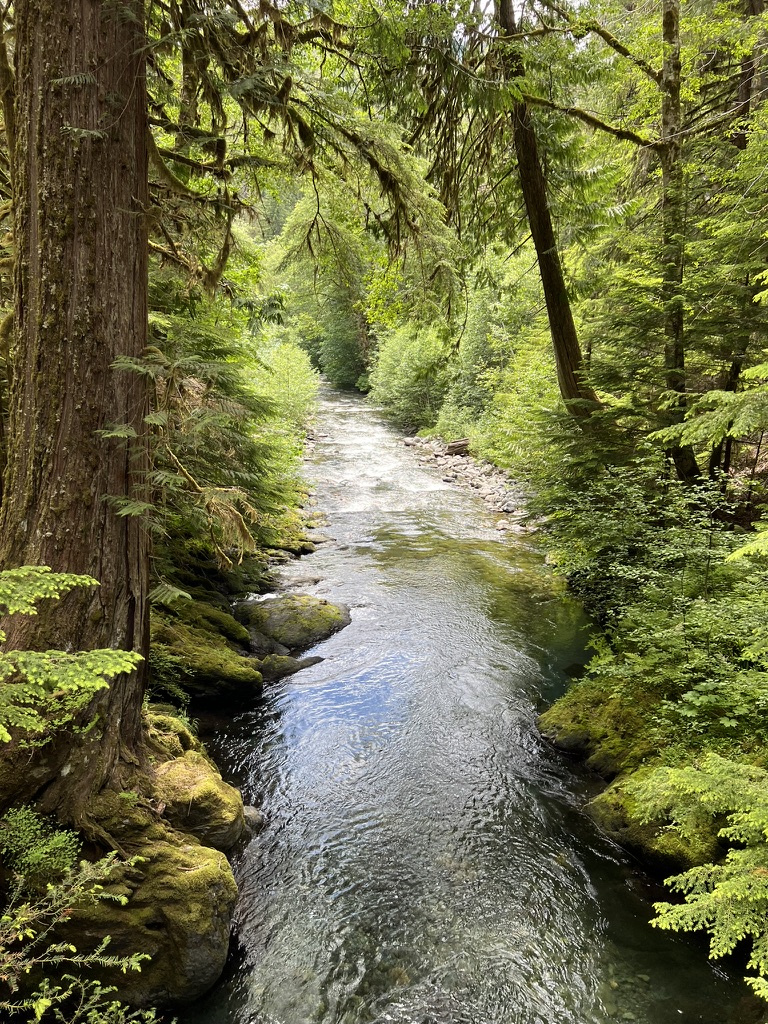
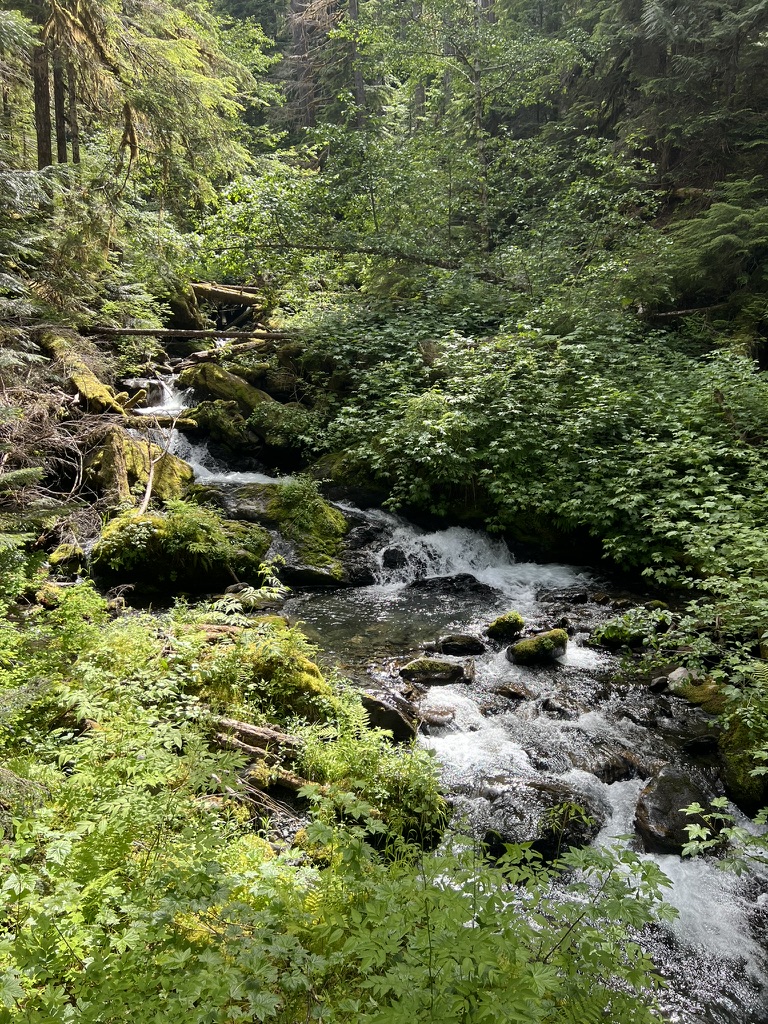
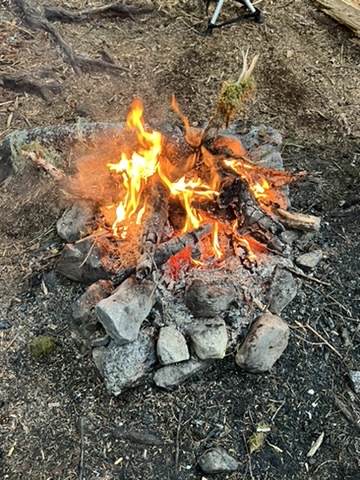
Right out of the parking lot, this entrance to the Olympic National Park at Staircase is an immersive forest experience. The trail is well kept, wide and easy to follow. You can travel on the east or west side of the Skokomish River and the bridge pictured above marks the loop for most folks, which is a nice 2 mile day hike. We traveled nine miles our first day to Nine Stream (Aptly named!). At 4-5 miles, we had lunch. I tend to travel about 2 miles per hour with breaks. So for this day, I figured 5 hours of hiking would get us to the camp. It was a beautiful spot right on the river. We set up our tents and our gravity feed water filter. Since we were below 3500 feet, you can have fires in established firepits if allowed (fire season brings an end to this practice).
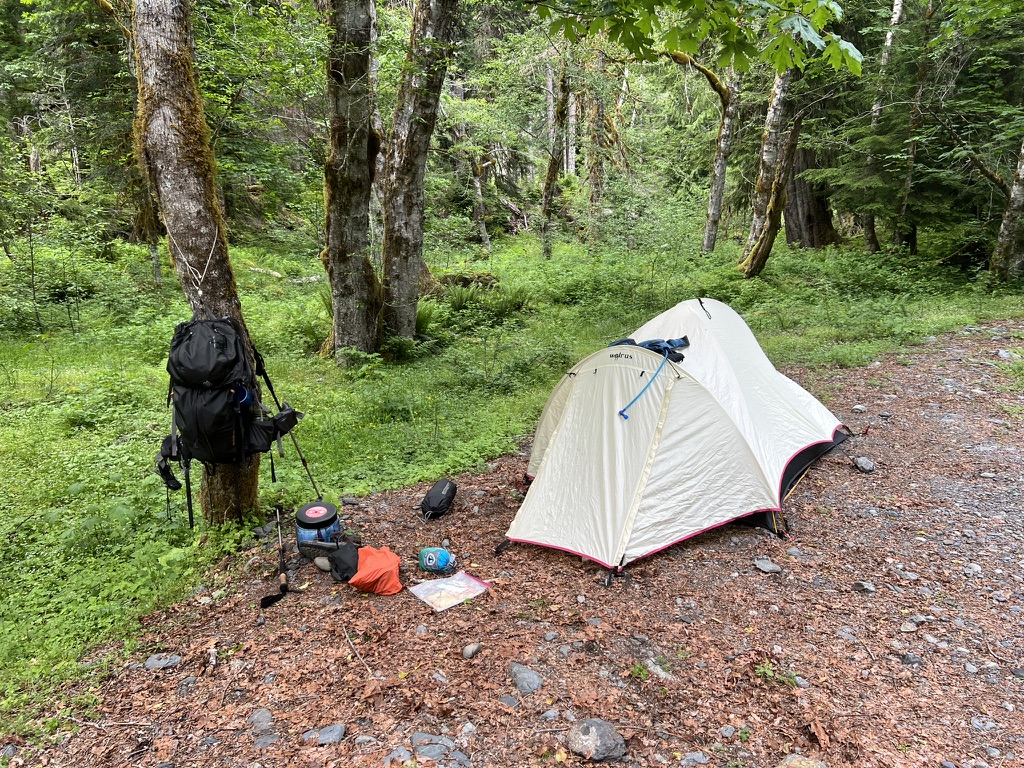
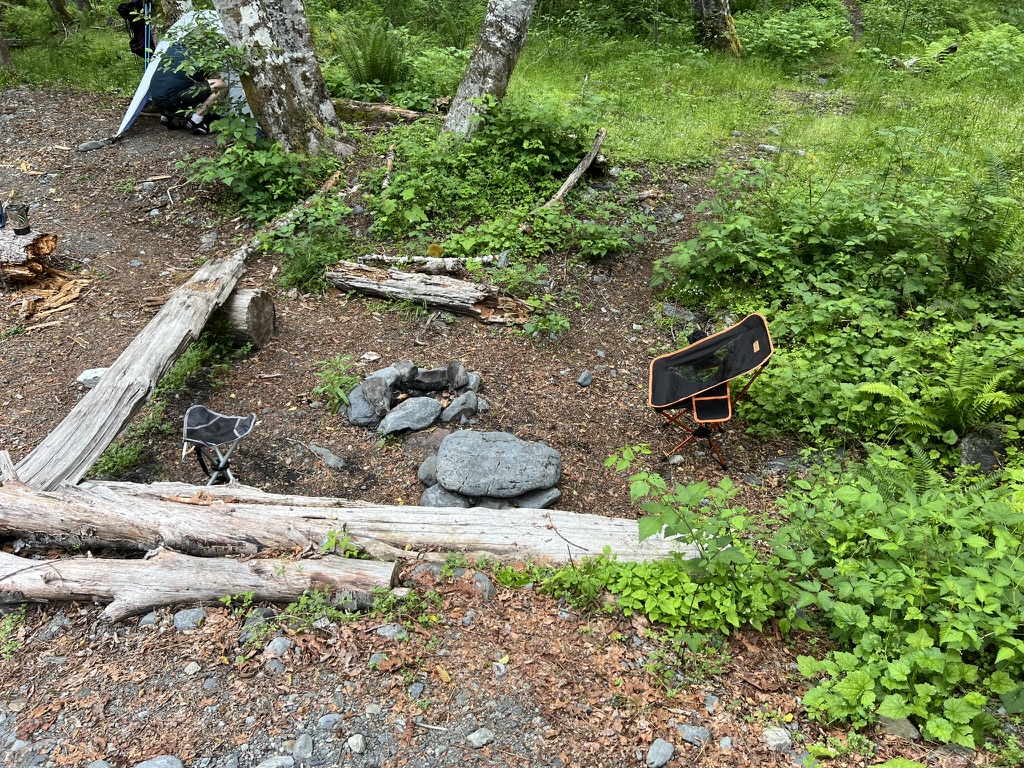
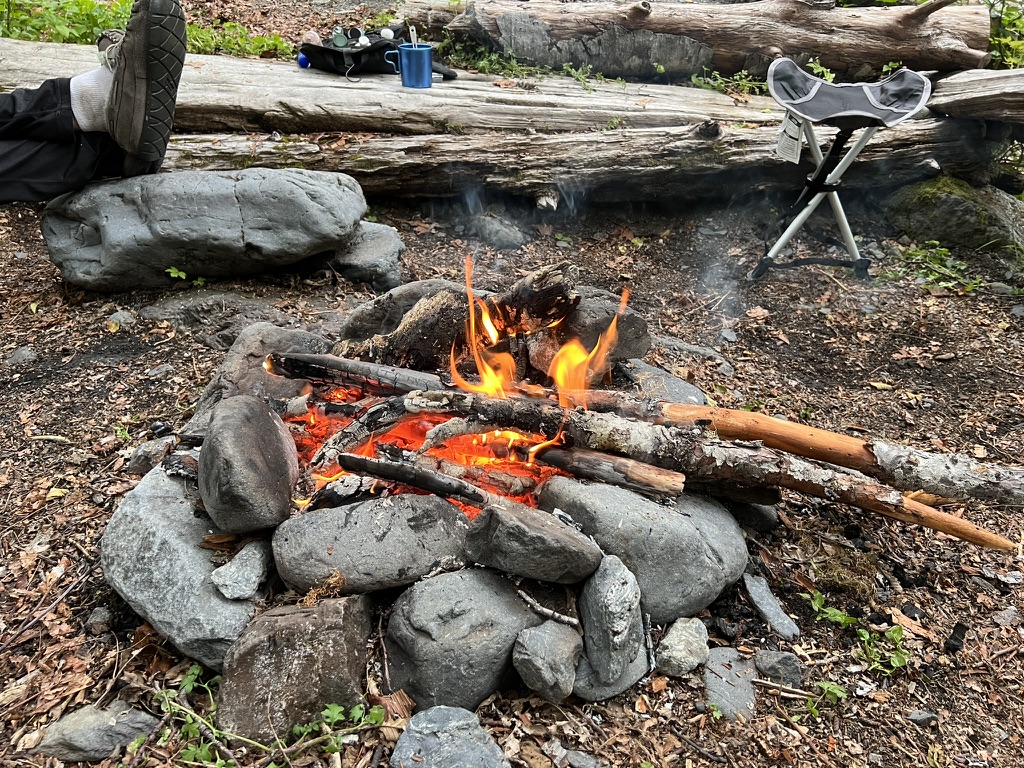
Clouds covered the sun, so as we prepared our freeze dried dinners, which were delicious, and we built a fire and enjoyed conversation into the evening.
Day 2: the day hike
When out on a hike like this, I like to make camp for a few days and then day hike in between. This is mainly because I like to have a good time and I am getting older and older. Through hikes with changing camp every day is so much more difficult and harder on the body.
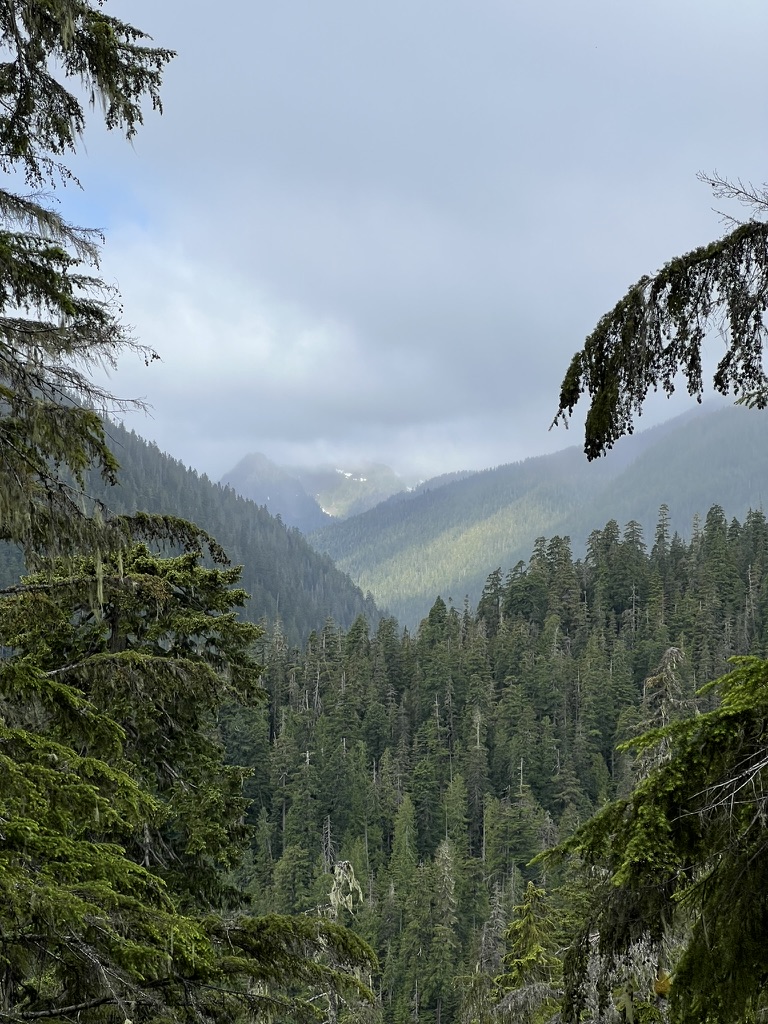
We hiked up to the First Divide, a 4688 foot pass, with sweeping views. It was a great day hike! I carry a small backpack with a water reservoir and lunch, as well as the ten essentials.
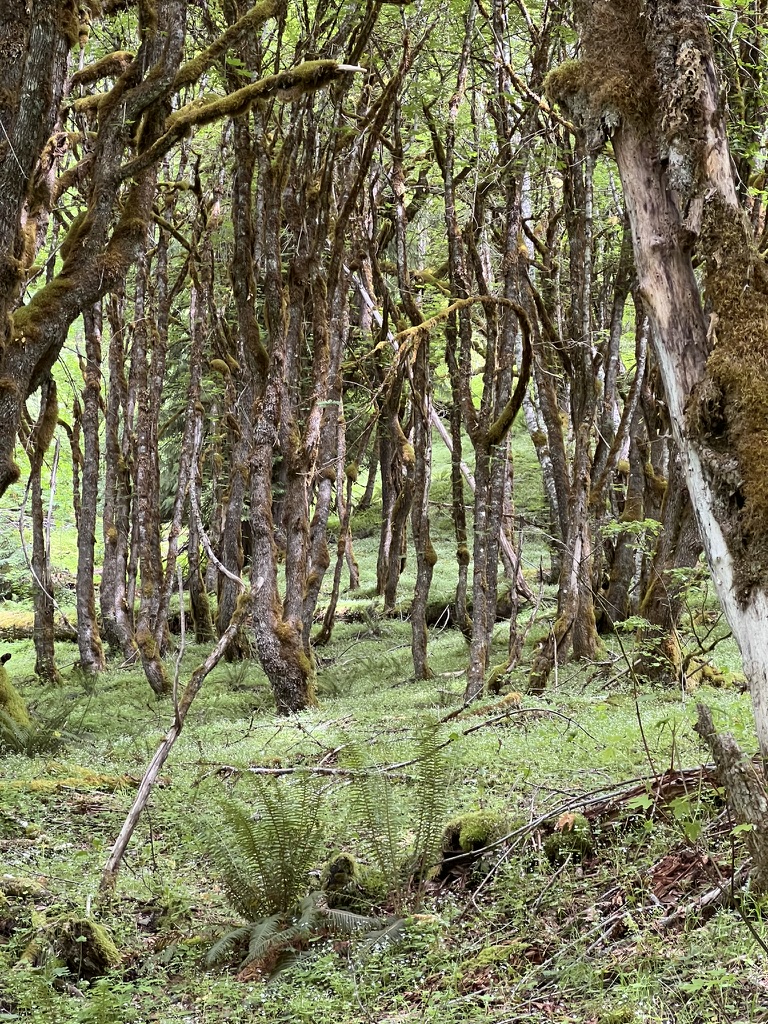

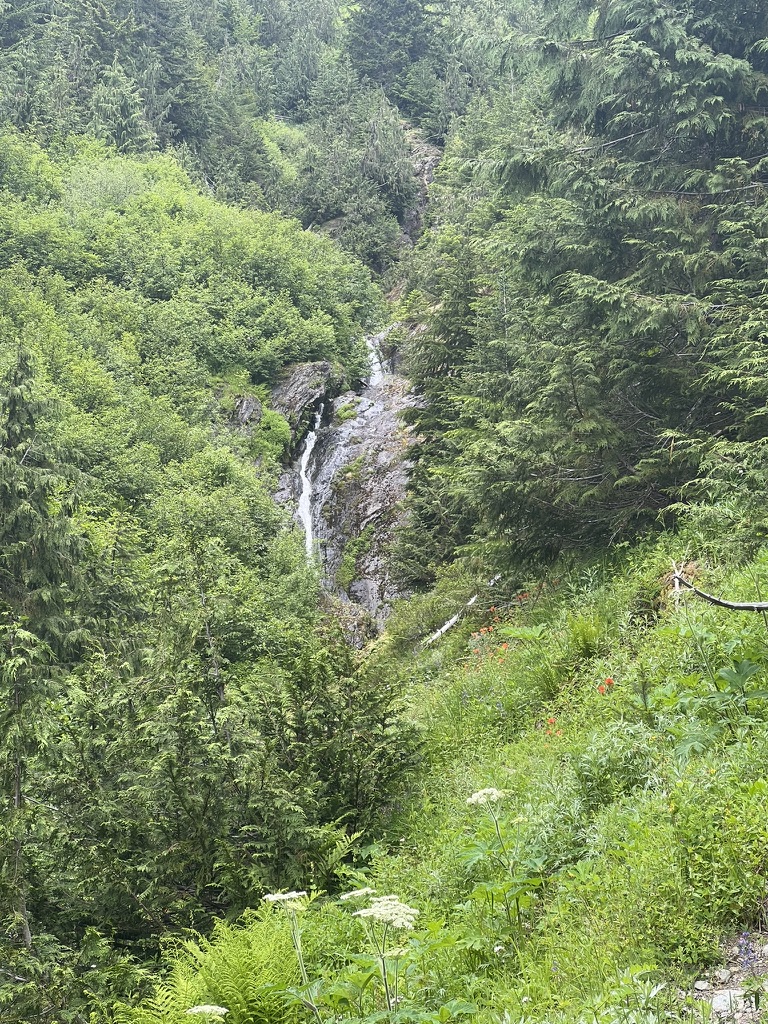
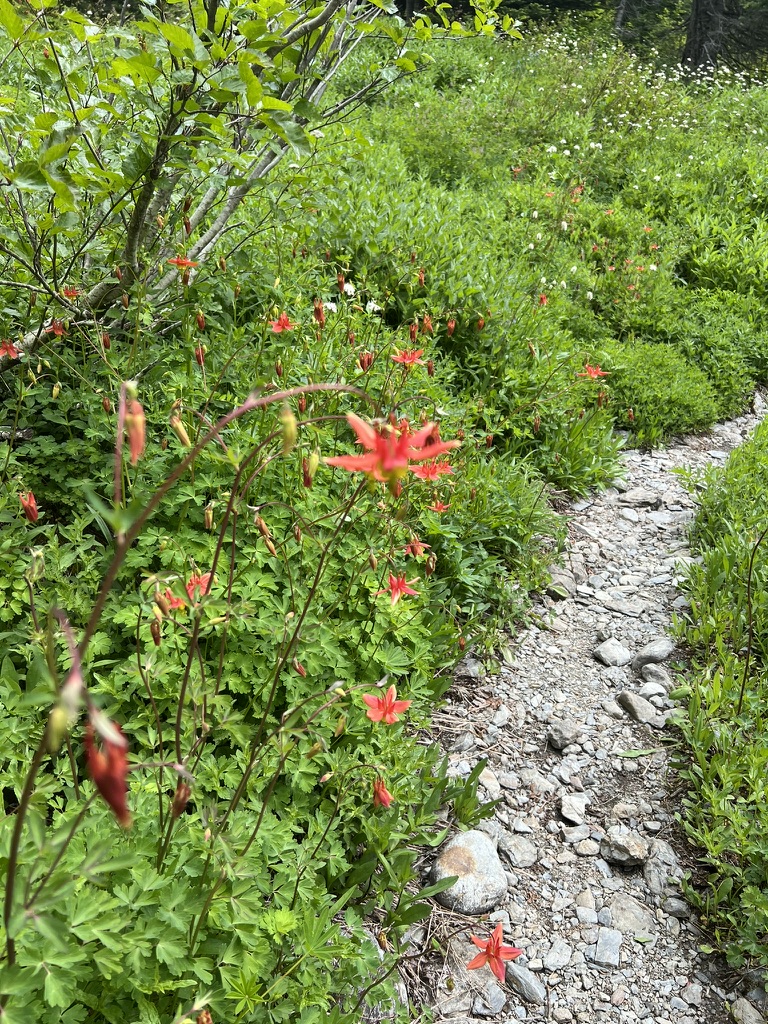
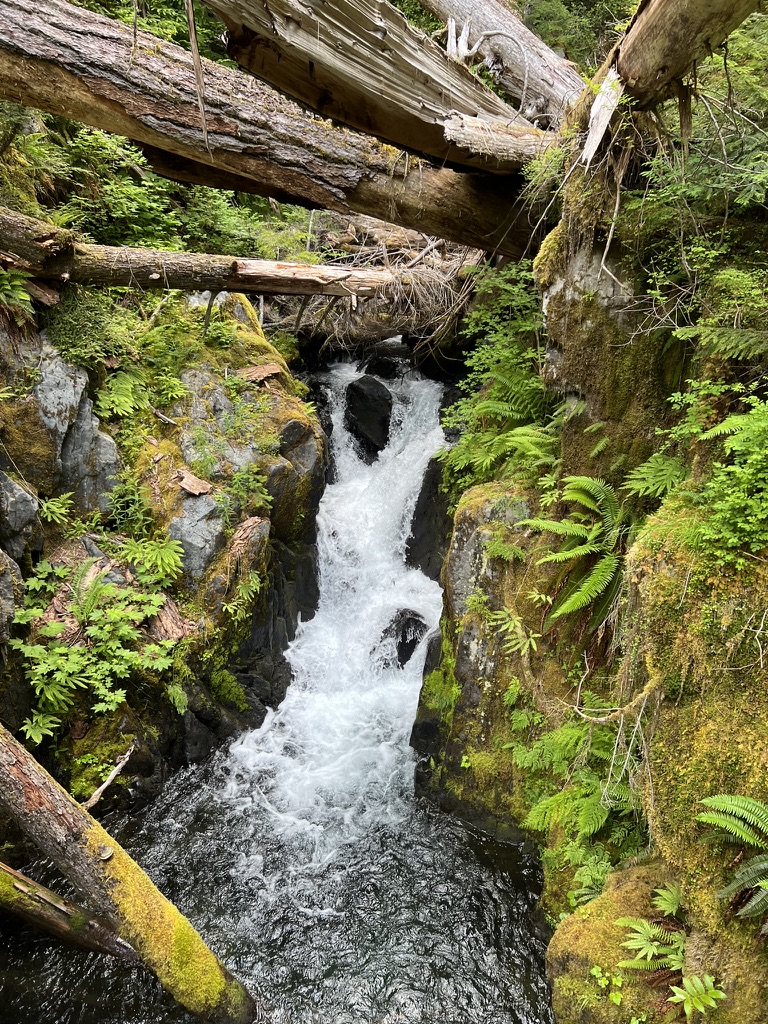
Waterfalls are everywhere and a total highlight of this trip. The national parks have done a great job of trail upkeep and there are wonderful bridges along the way to keep you out of the water. The one exception is the ford right before Nine Stream, which is challenging right now because of the volume of snow melt. Wildflowers are also starting to bloom at lower elevations, which is so fun and brings amazing colors to the trail.
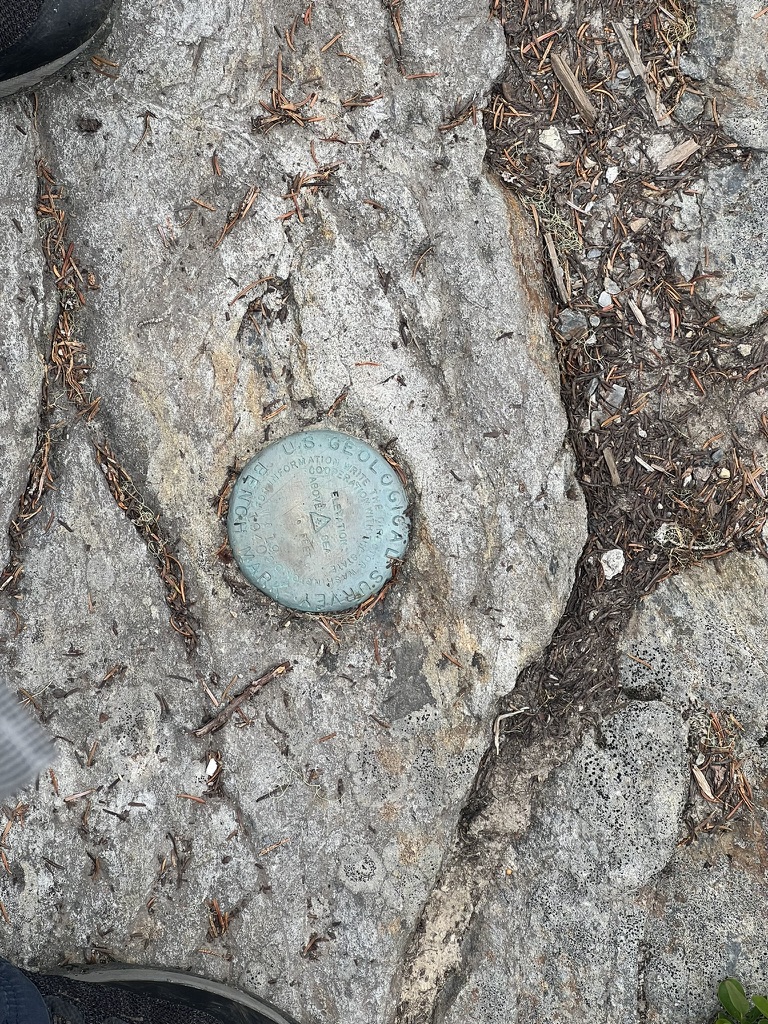
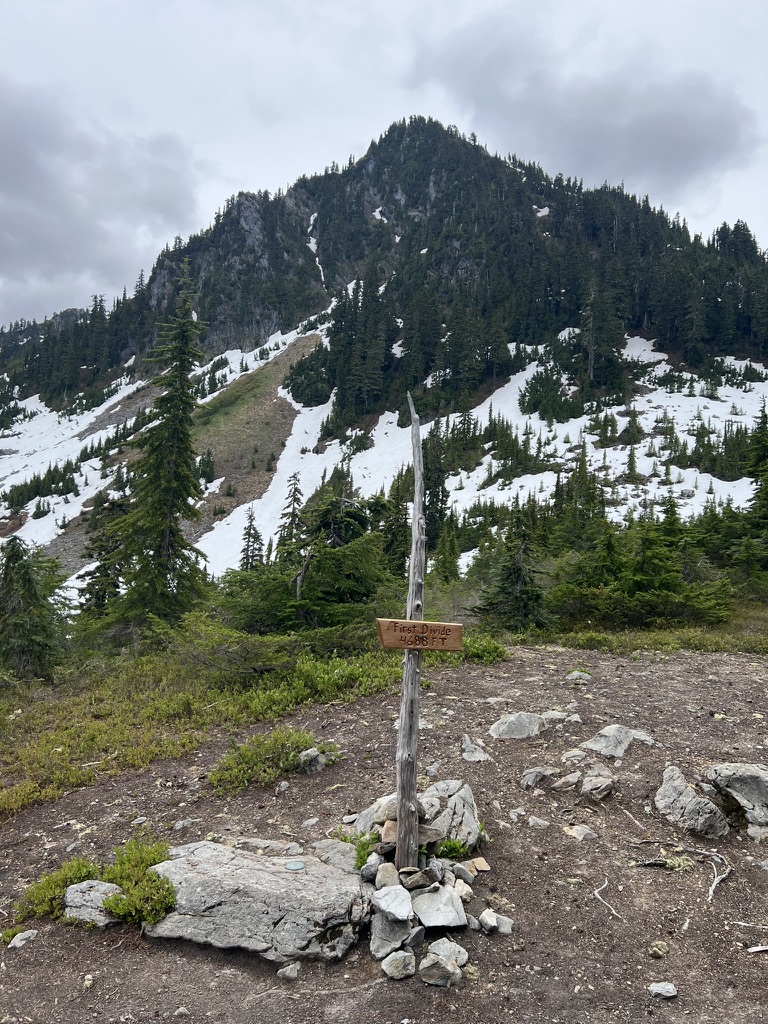
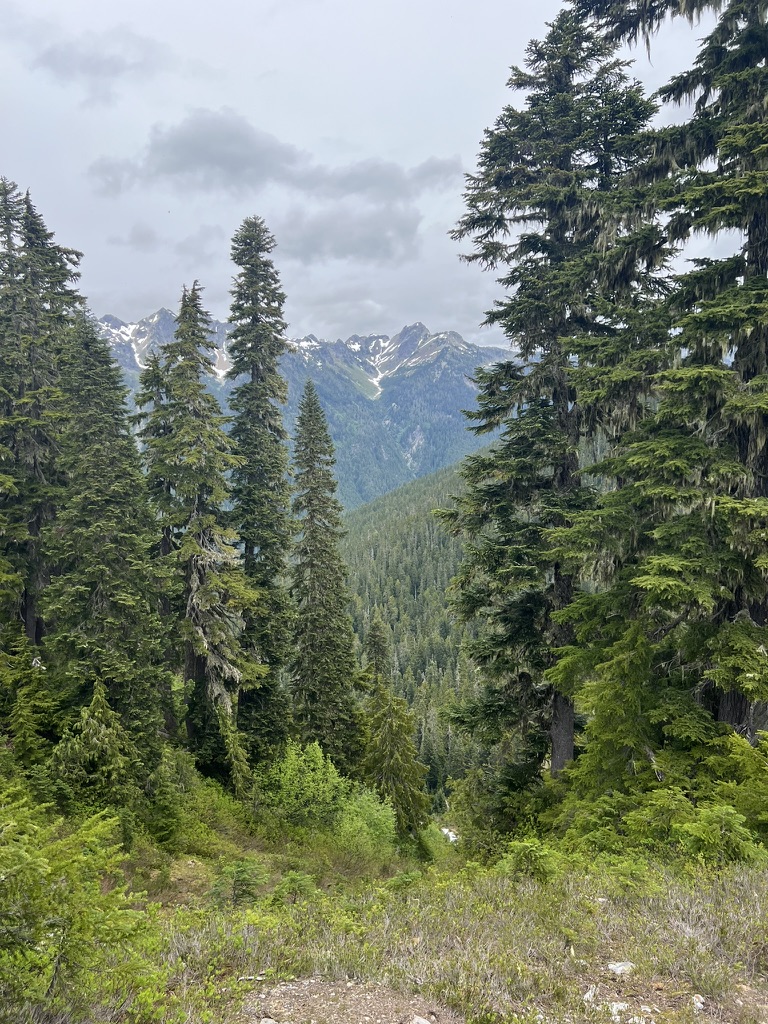
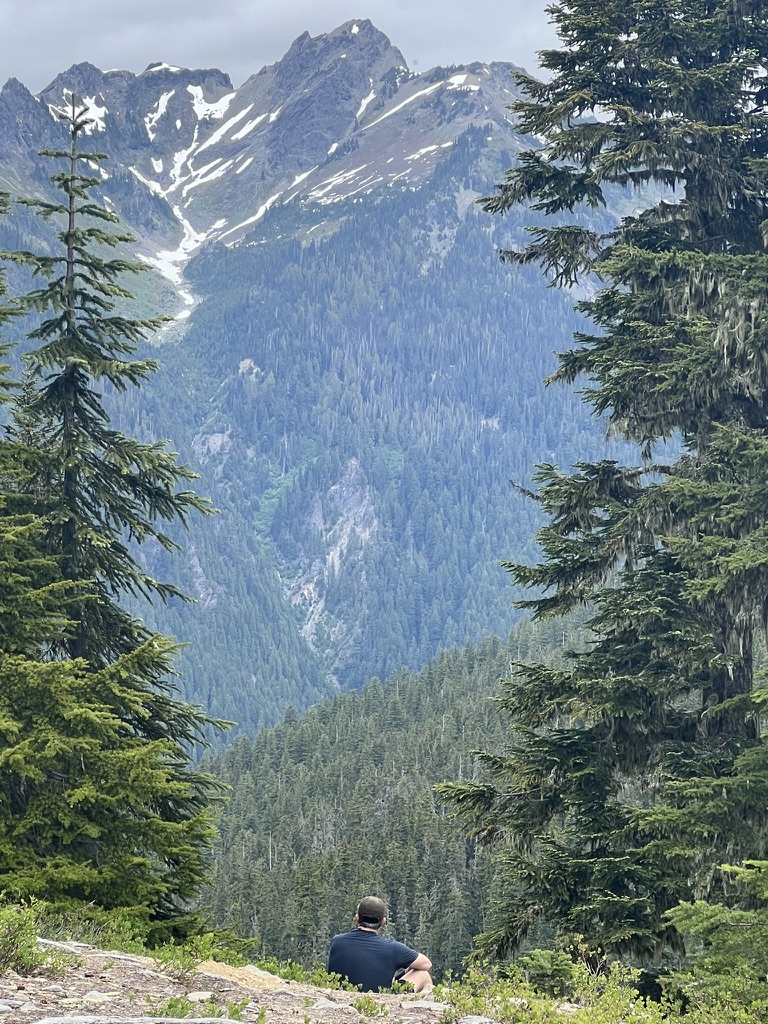
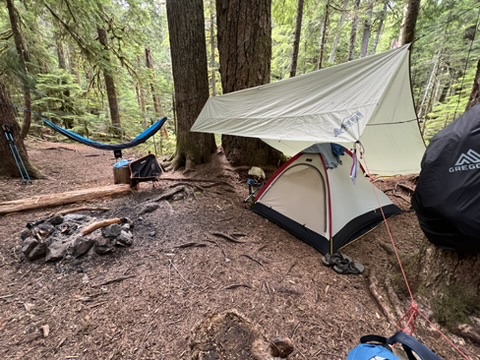
The pass was beautiful and the snow melt has pretty much done at this level. We heard that the other passes higher than 5000 feet had significant snow and another hiker was packing crampons and an ice axe. We ate lunch and made our way back to camp, taking a bit more time to marvel at the river on the way. Then came the rain. It started as some sprinkles, but by the time we were back at camp, it was significant. Regardless, I hung my hammock, and put up a tarp (required in Western Washington for any hike!), and chilled for an hour. Then we worked on dinner, water filtration, and a fire to stay dry!
Day 3: change of plans
First thing in the morning, I had to hang up all my gear to dry. Luckily the rain stopped, and it was mostly dry packing up. Unfortunately my 25 year old tent leaked a bit and my sleeping bag was a bit wet. We decided that we should change our next destination if needed based on the weather and how we feel. Hiking back down was much more difficult, and we decided to base camp at Spike Camp at the beginning of the trail to Flapjack Lakes. This was a serendipitous decision, as the lakes were a bug fest.
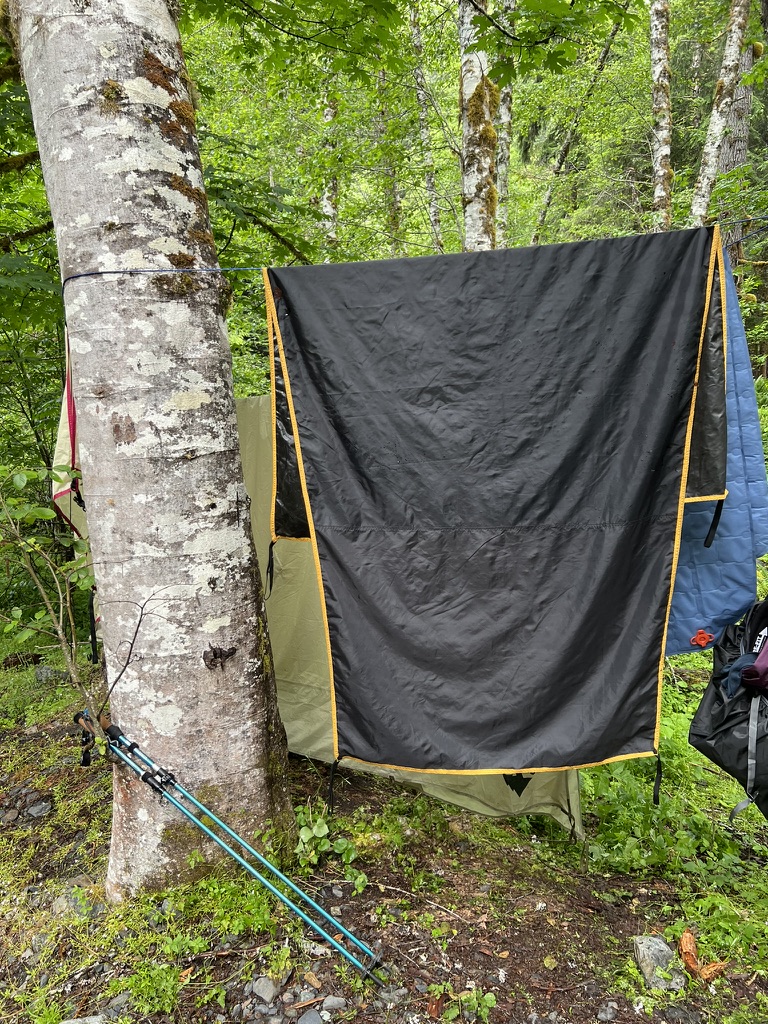
We hiked and hiked, and it was one of those days that seemed way longer than it should. Setting up camp was good, and there was just one other site taken, so we didn’t worry about not making it up to the lakes for our actual reservation.
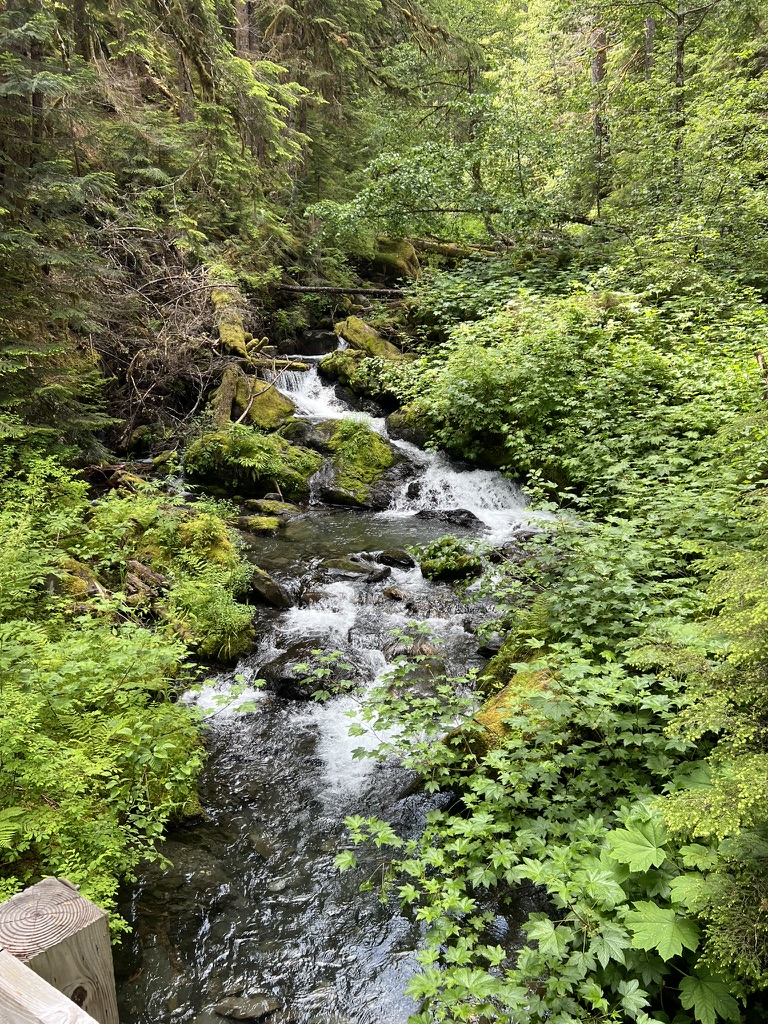
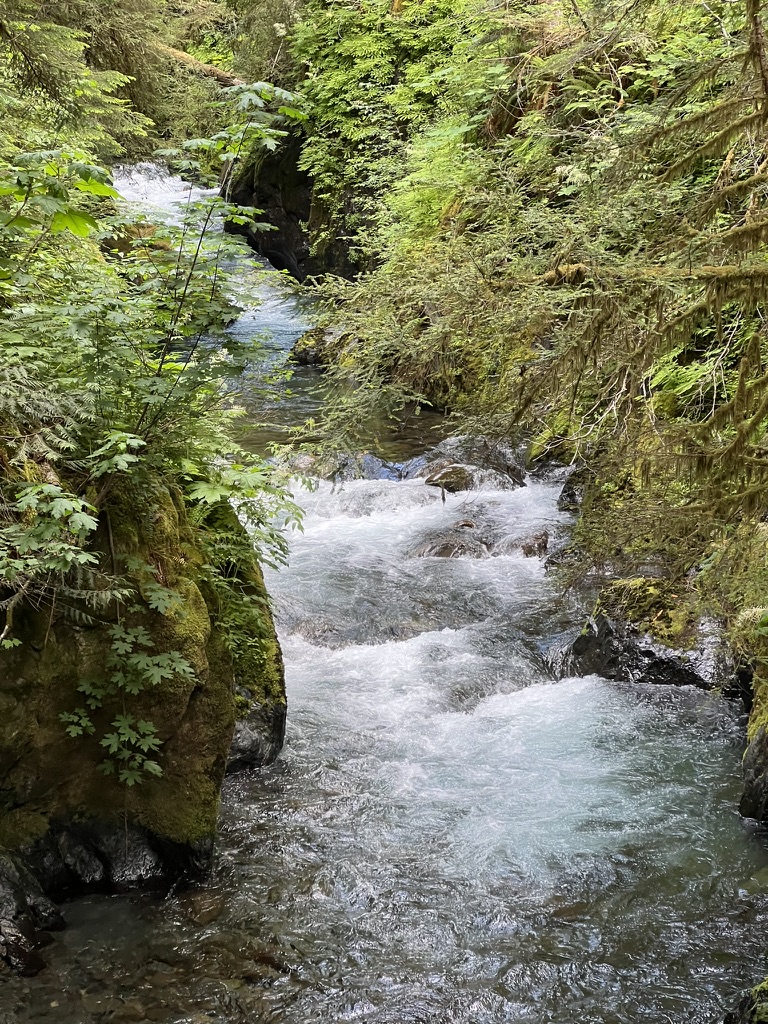
I set up my hammock again and chilled just as the sun broke through the clouds!
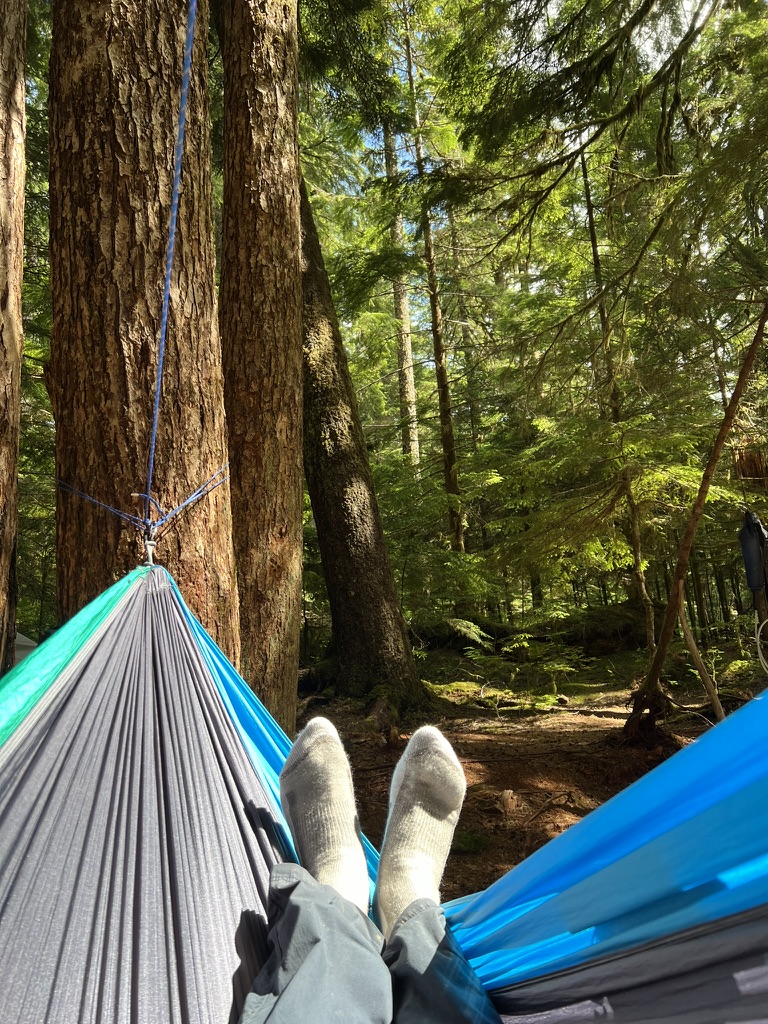
Day 4: Flapjack Lakes
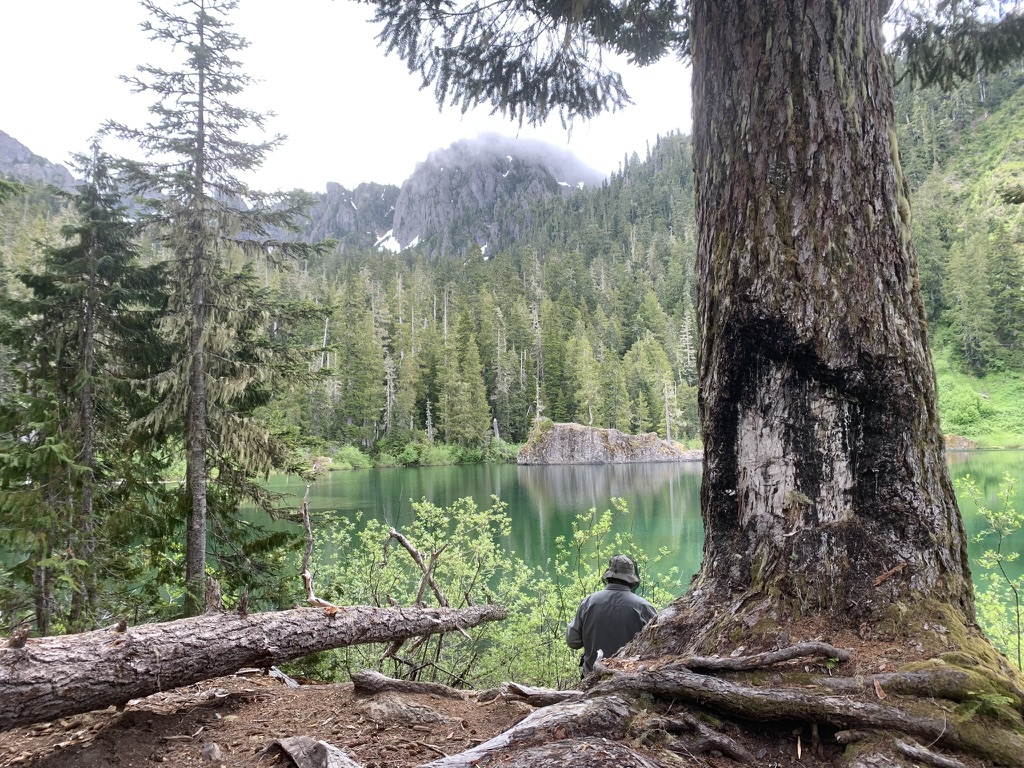
Without backpacks, we started early and did a 9 mile day hike up to Flapjack Lakes which rest to the east above a 3500 foot ridge, surrounded by rugged peaks. The trail is through breathtaking woods with waterfalls galore!
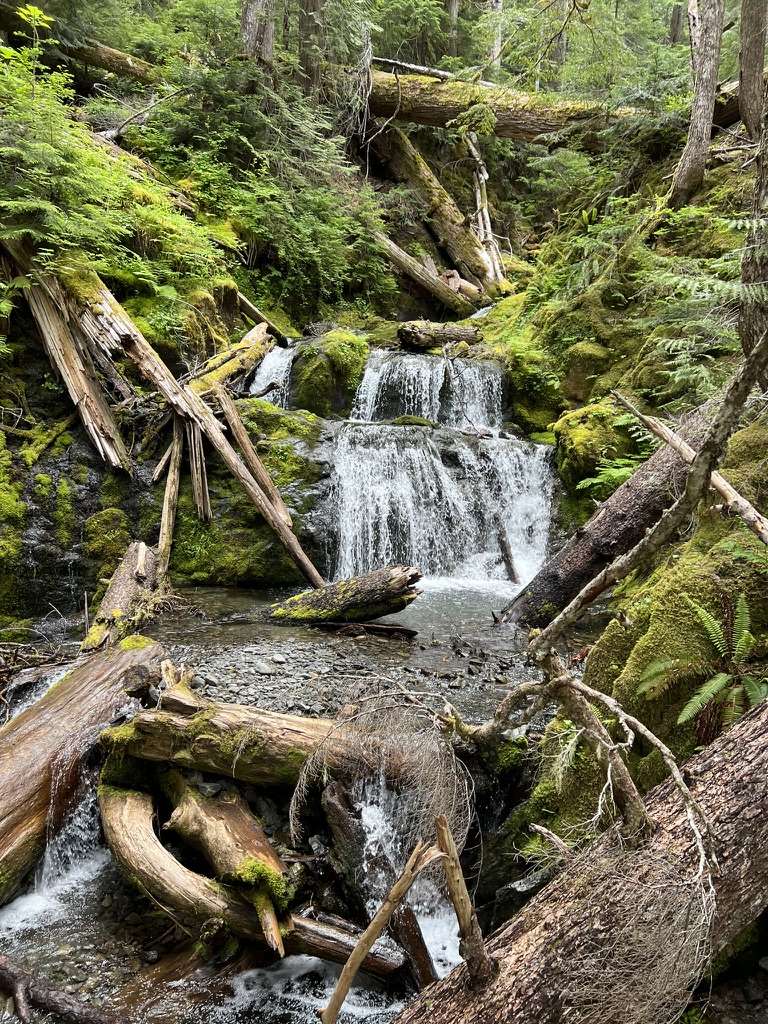
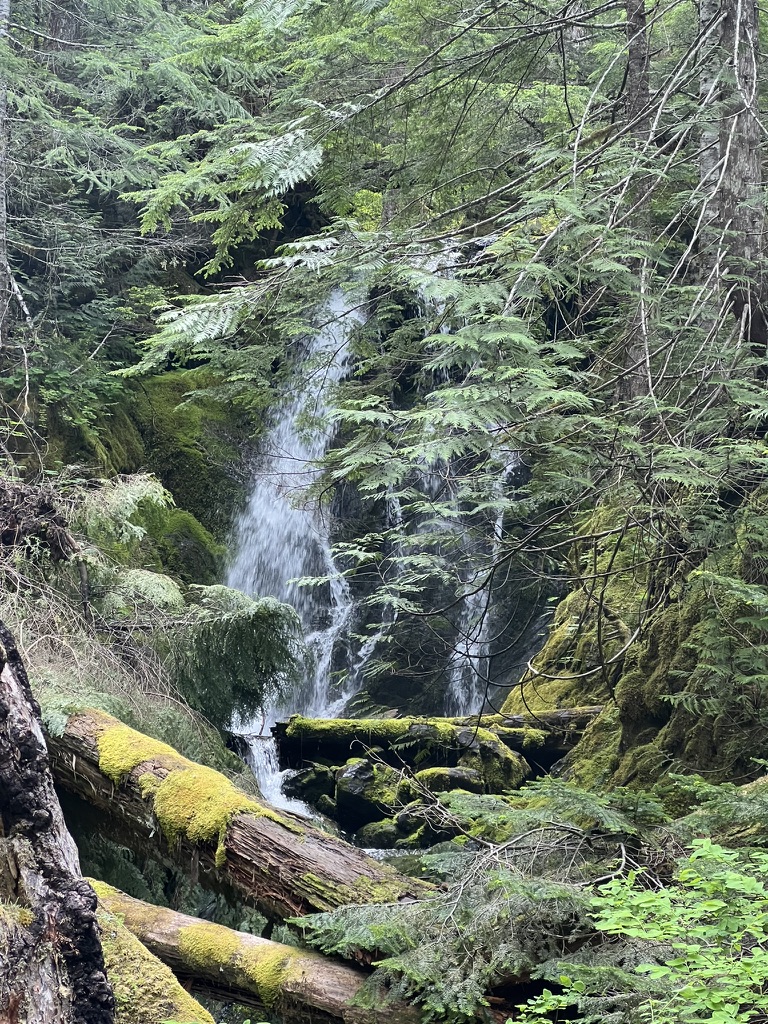
The lakes lie right next to each other with a stream flowing between them. A truly gorgeous destination, but the bugs were incredible! We ate lunch and took in the beauty…
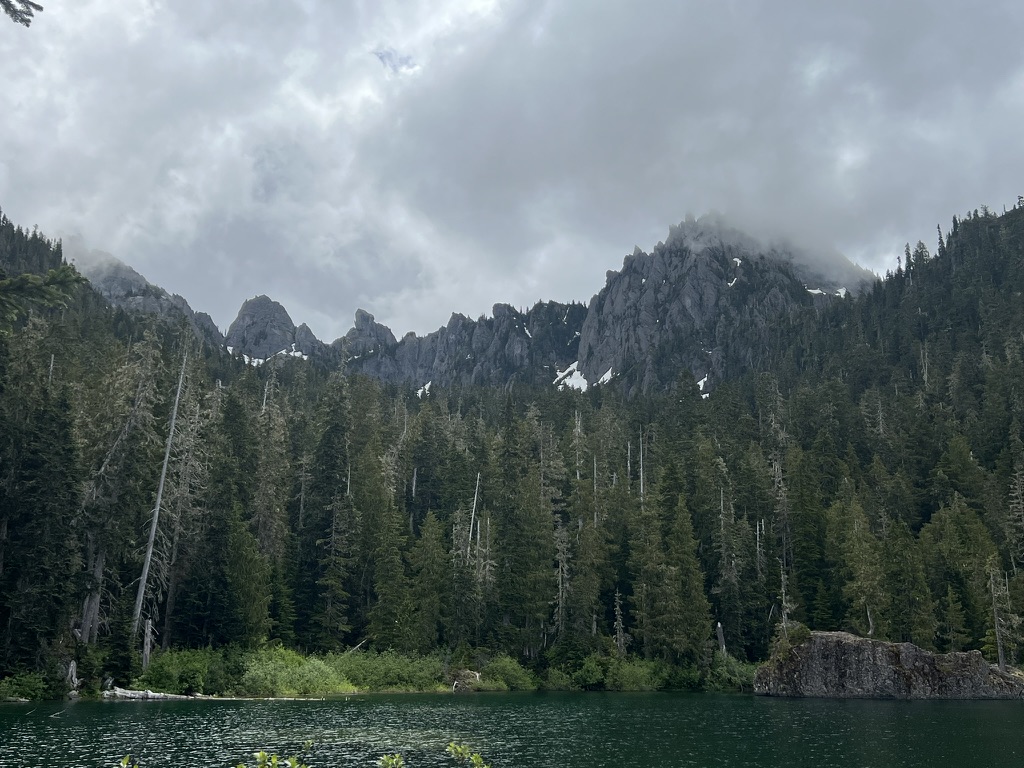
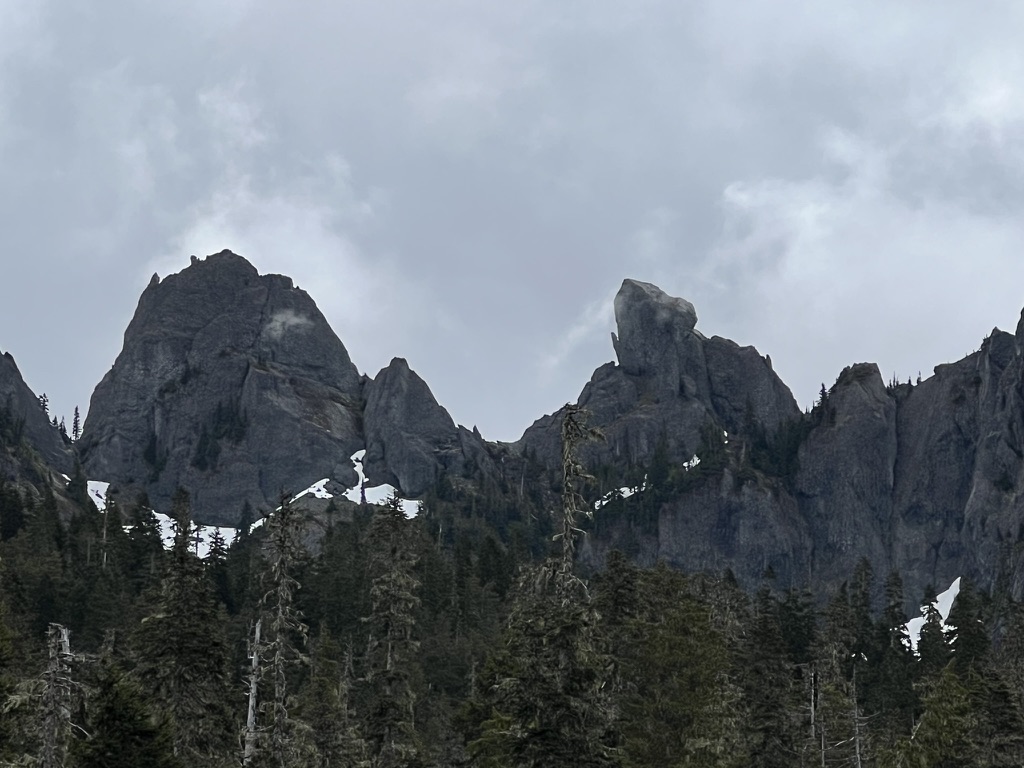
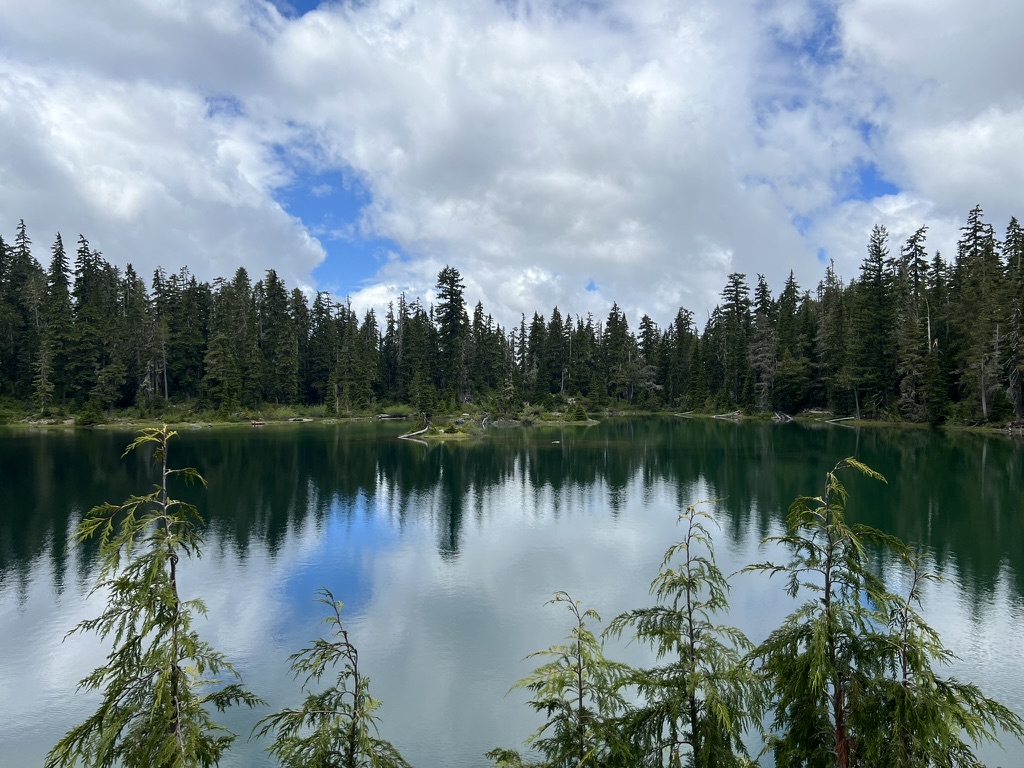
After returning to camp, we chilled and enjoyed the sense of accomplishment of 4 awesome days, with some challenges, but also a truly satisfying wilderness experience.
Day 5: hiking out
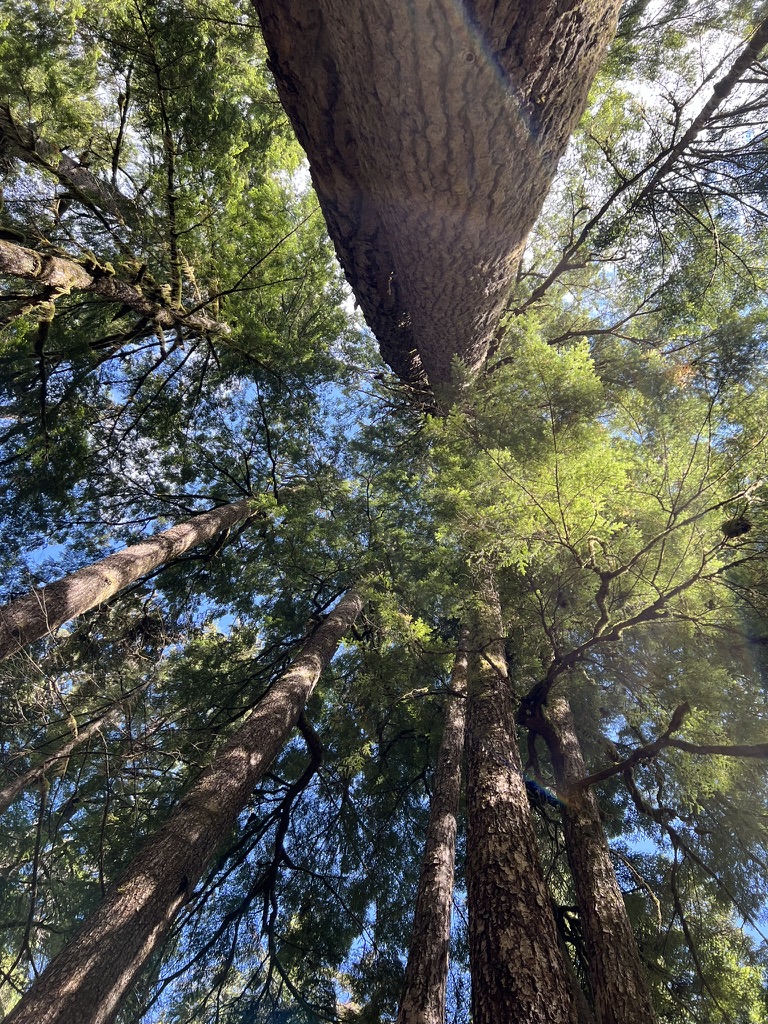
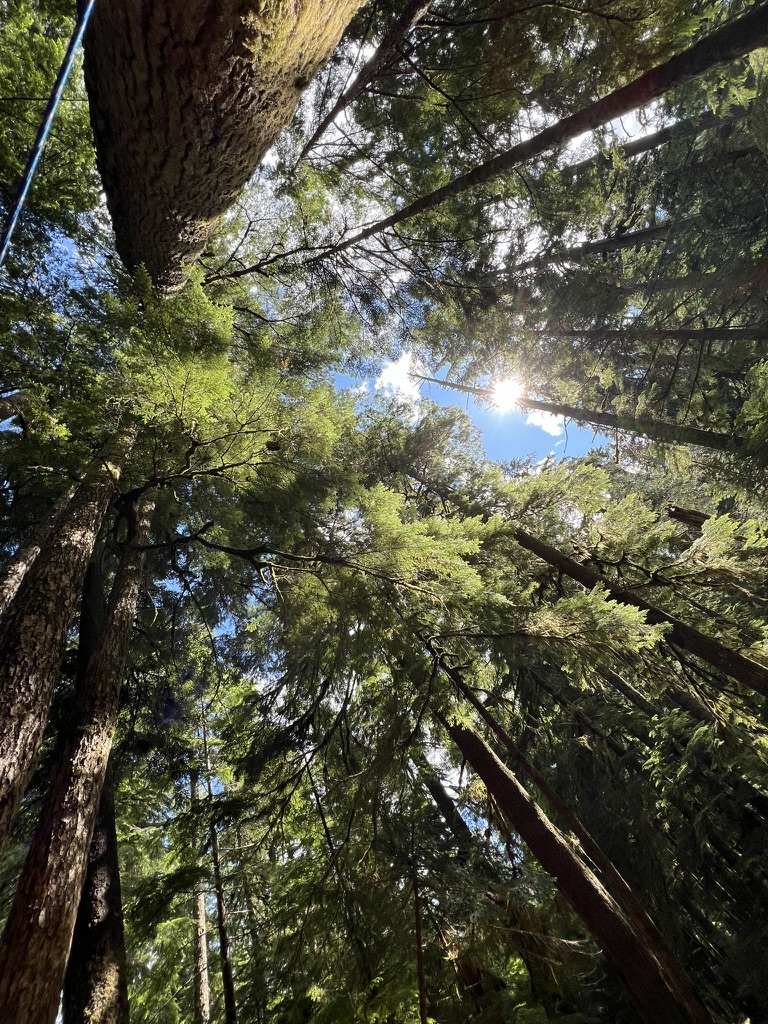
We woke up early, enjoyed breakfast, and packed up our gear for the short hike out. It was a beautiful day and the forest was just amazing!
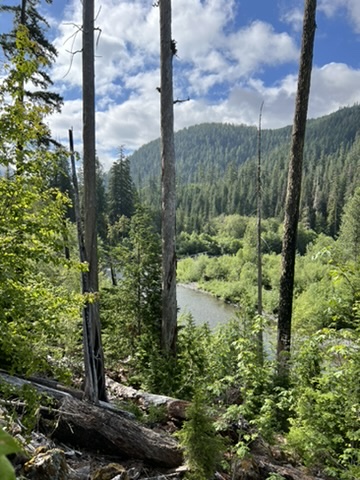
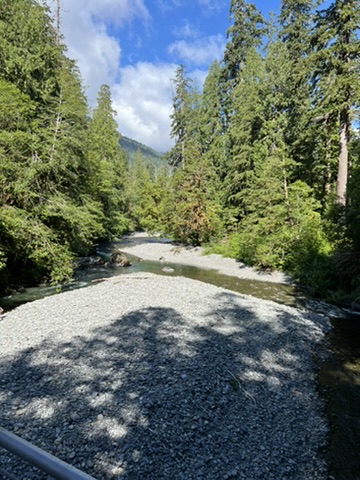
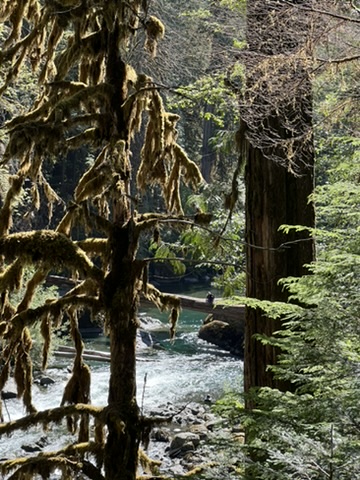
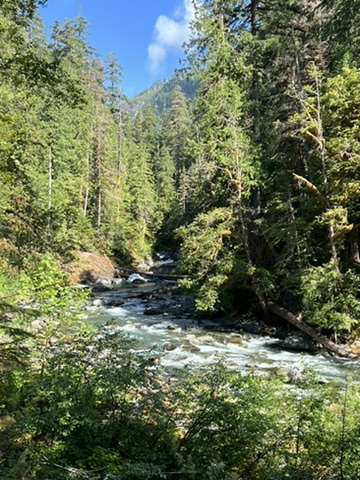
The combination of forest, mountain pass, mountain lake, and river created a diverse hike with tons of opportunity for viewing the landscapes found in the southeast corner of Olympic National Park.
As well, I’ll mention a few other things we noticed: on the way up, we ran into a man who had fallen, and hit his head on some rocks with significant bleeding that scared him and everyone around him. My hiking partner and I, luckily, are medical professionals and were able to help the poor guy get back on his feet and feel confident to head back down the trail. We did the appropriate wound check and neurological assessment, which turned out to be non-problematic. I was impressed with the caring effort of at least 10 other hikers to relay the message down the trail that a hiker was hurt, and stay with the injured while waiting for help. He was hiking alone. On the way down, a group of four hikers were separated during the day and two of the folks were freaking out thinking that something bad happened, so they were running out to get help. It turned out that their friends followed a few hours later and were fine. Two things come to mind: Don’t hike alone and stay with your group. I understand the desire to head out on your own, but if you fall, then what? You are not a mountain goat. The best way to NOT freak out about your lost friends is to stay with them. Make a plan ahead of time, so as not to create a disaster scenario for everyone else out on the trail and the rangers who are so diligent to keep everyone safe. If you must hike alone, then hike extra safe, use hiking polls, and make sure you not only have your phone with that great GPS app, but a map and compass if that fails.
I love Olympic National Park! It is my favorite place to hike, play and spend time with nature due to the incredible diversity within its boundaries and natural beauty. I am so glad to introduce someone to the pleasure and pain of backpacking. We had a great trip with time to have great conversation, exert ourselves, and take in some serious nature therapy.



 Myhealthadventure
Leave a comment