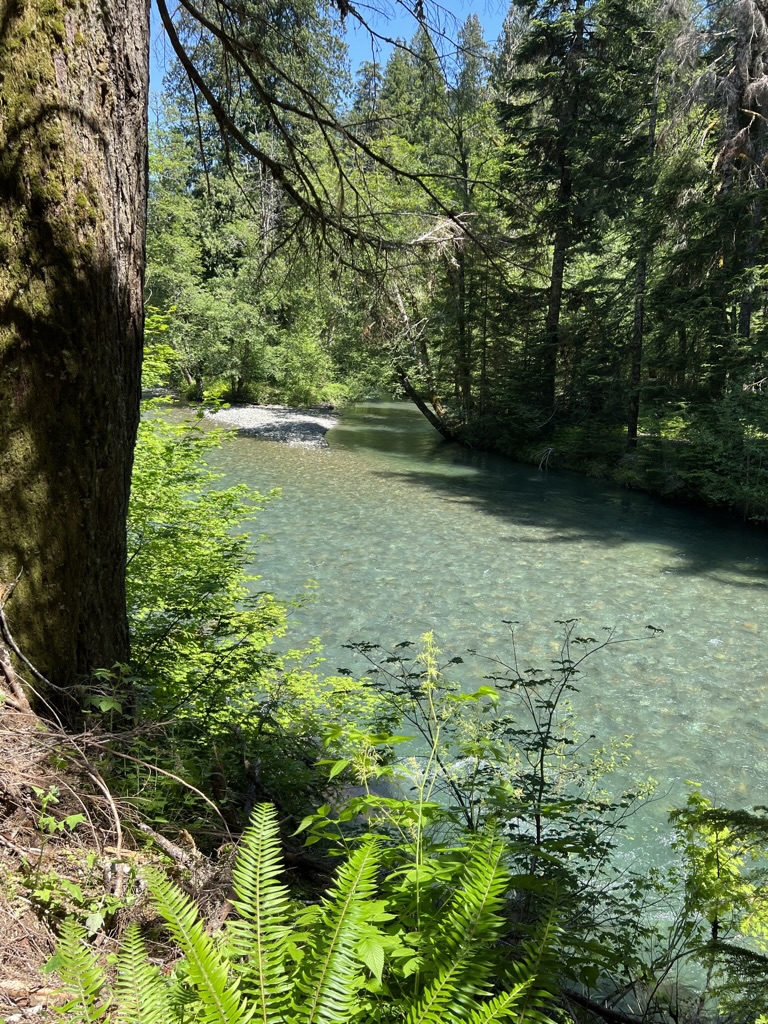

The name is thought to mean “standing at the edge” in the native tongue of the Taidnapam, who spent time in what is now southeast Mt. Rainier National Park. Wandering in this part of the Northwest is true nature bathing. Trails run through this land of ancient giants who tower over your insignificant human stature. The Douglas fir, Western Red Cedar, and Western Hemlock are the elders here. I feel humbled by them and in awe when walking in their midst. There is hardly a glimpse of the namesake volcano in this deep valley, and the trees cast deep shadows. Water rules here, and you need to be ready for some moisture.
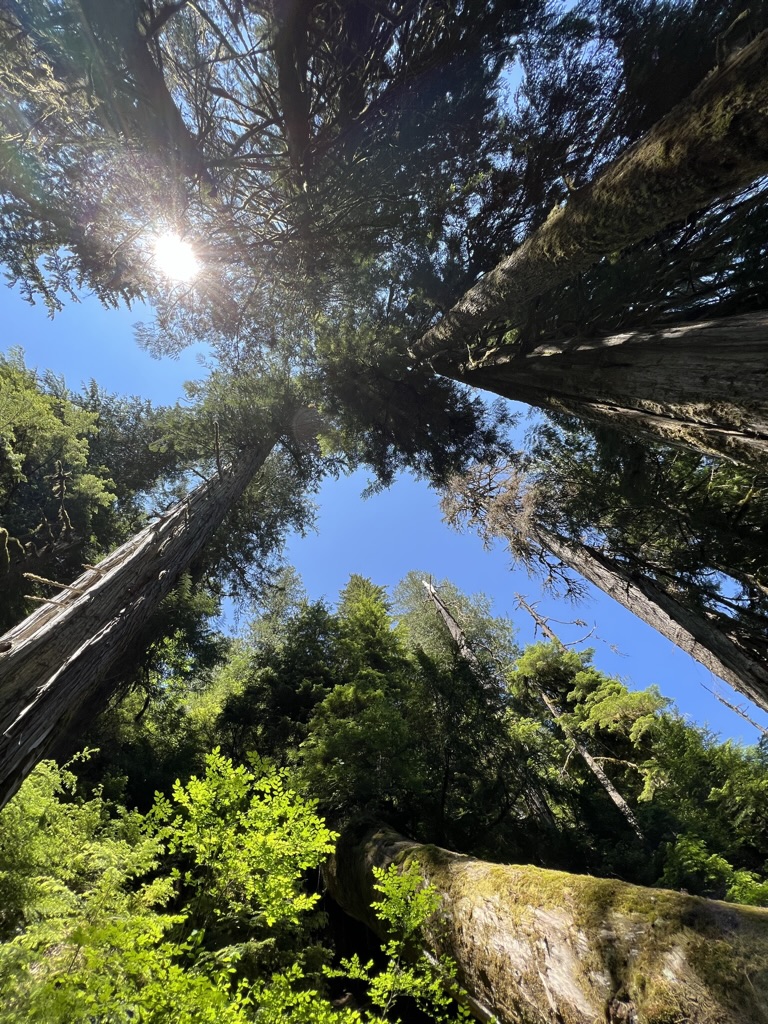
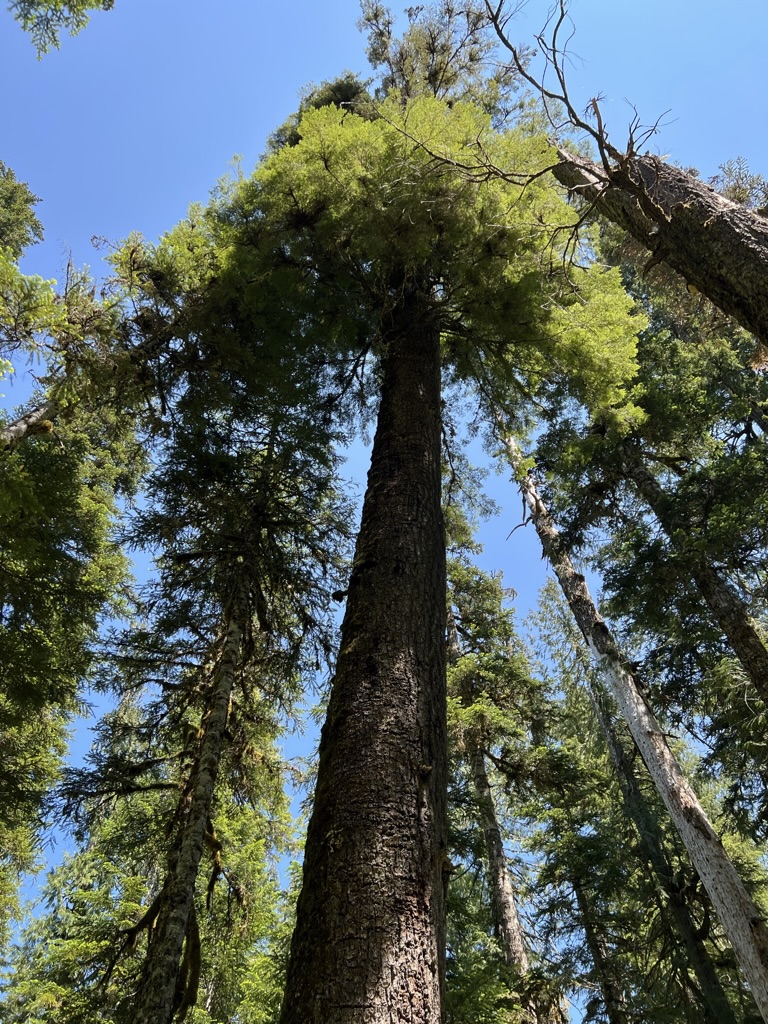
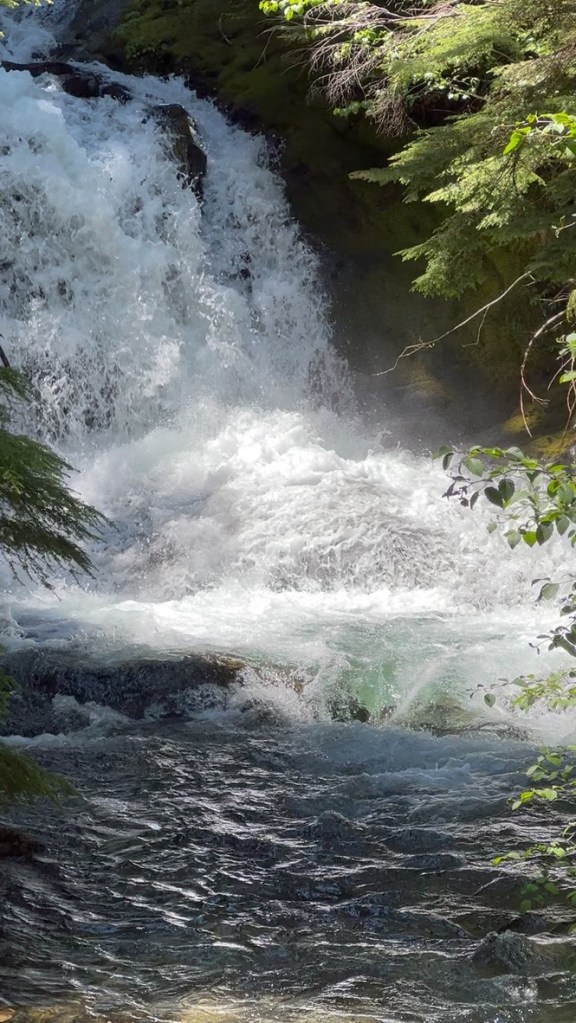
You can barely hike a hundred yards without passing through a stream of runoff, heading downhill to collect in fast moving rivers, cascading down the heights.
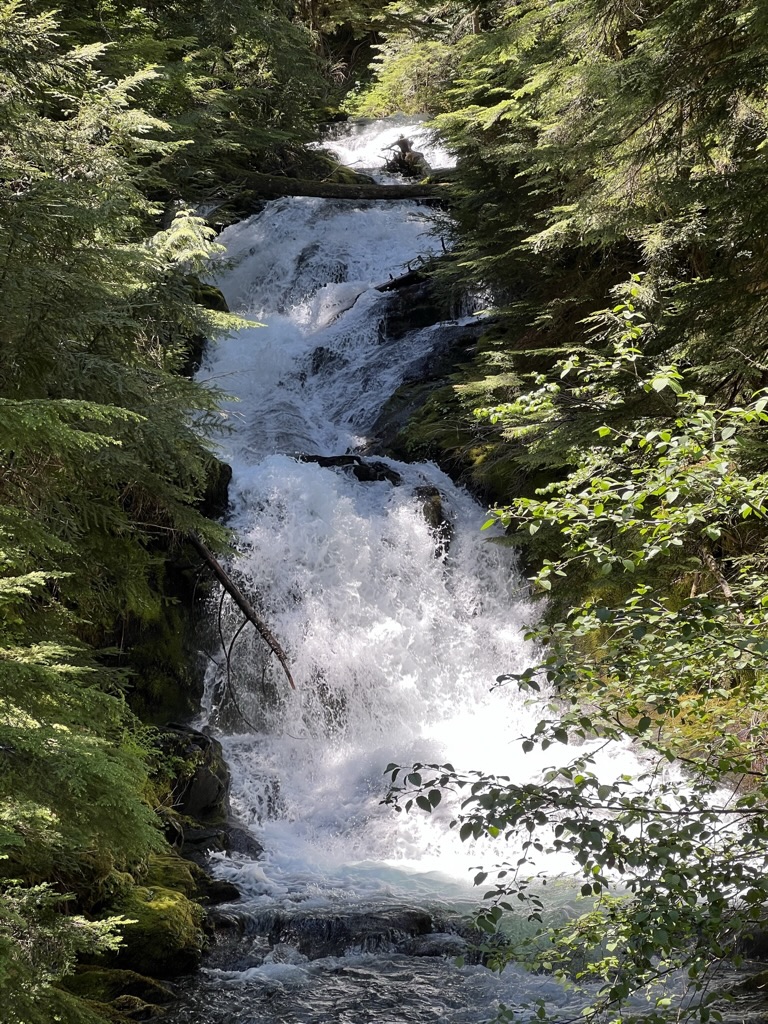

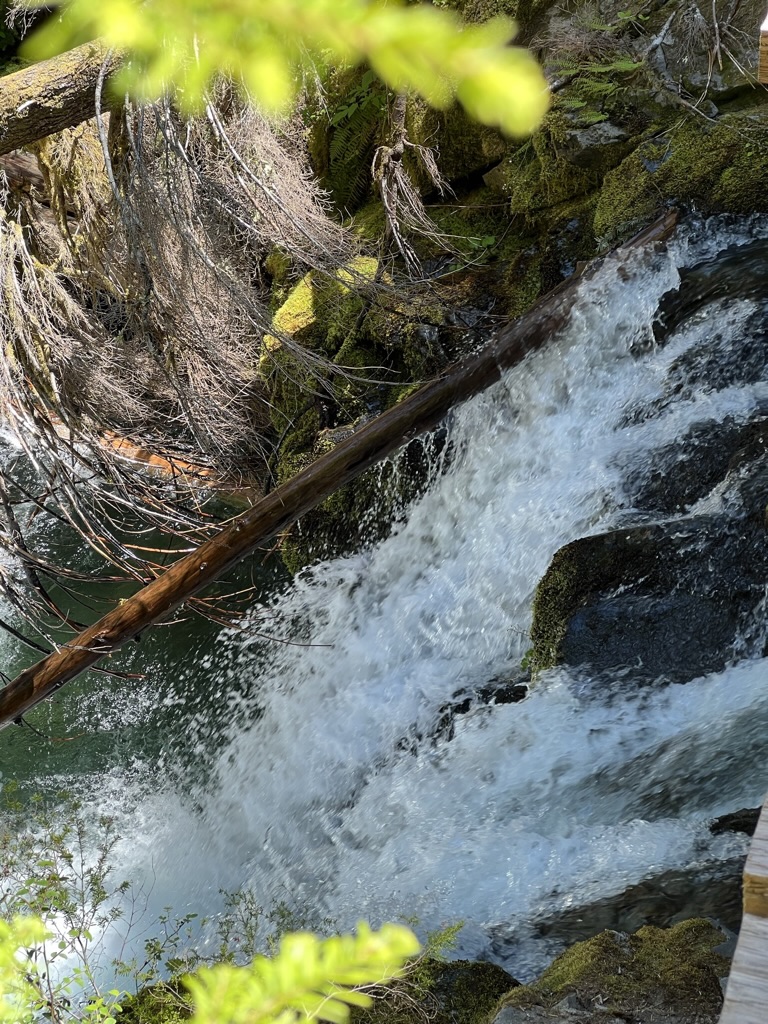
The campground, called Ohanapecosh, is a quintessential national park experience. It fills up quick so reservations are a must. Packwood to the south is a fun little town, that may be a good base to day trip out of. Spend a day in the forest, trying out various trails like The Grove of the Patriarchs (check on availability as the bridge washed out in 2021), Silver Falls Trail, and the Hot Springs Nature Trail. Day trip to Stevens Canyon (now on timed entry reservations), and Chinook Pass.
The best way to access up to date info is on the national park website for Mount Rainier: https://www.nps.gov/mora/index.htm
I love being surrounded by old growth and flowing water and this is one of my favorite places to experience it.


 Myhealthadventure
Leave a comment