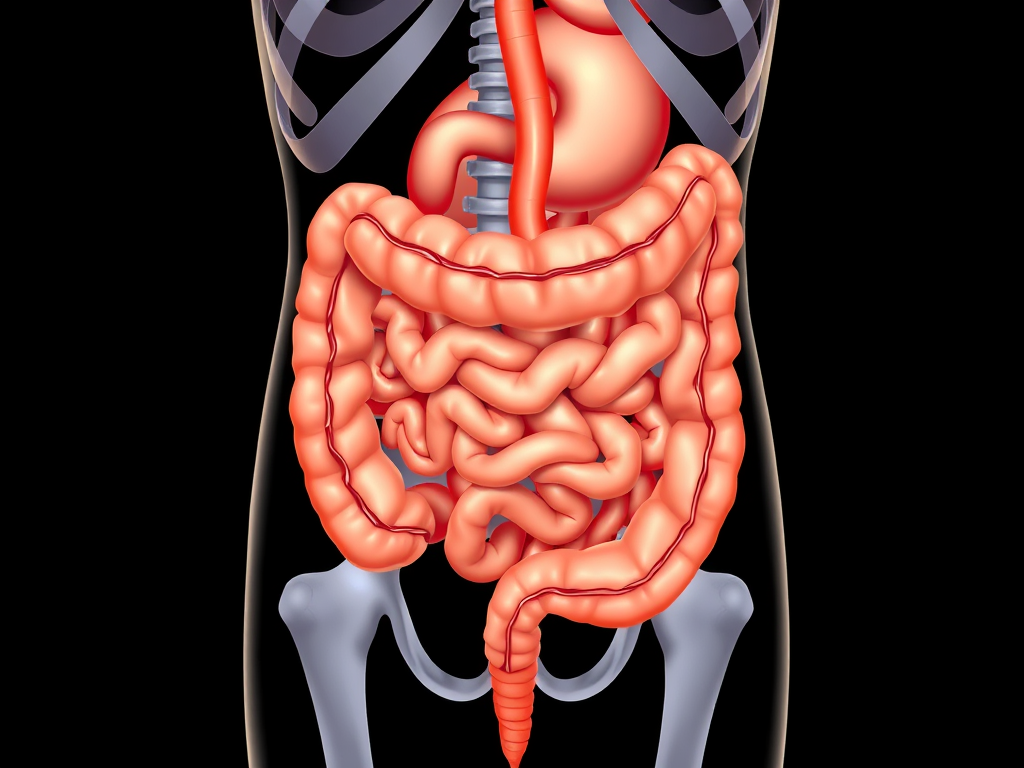
During a typical yearly physical and preventative health exam, we discuss lots of topics in the clinic, and one of the main ones is the dreaded colonoscopy. We discuss this because the goal is to prevent colorectal cancer, one of the cancers that is a significant risk to everyone over 45.
Colorectal cancer is a huge problem. 4% of the population will develop this type of cancer at some point during their lives and it represents 7.6% of all cancers in the US. There were 152,800 new cases last year along with 53,000 deaths. There has been a rise in the prevalence of this disease among younger people which has rung alarm bells across the medical community.
All of this has added up to a recommendation to be screened starting at 45 years of age. It used to be 50 years old when the screening started. Why is the incidence rising? No one really knows but we have risk factors that are likely causative including poor diet, lack of physical exercise, obesity, and chemical toxins. Scientists are studying this to learn more, but in the meantime, do I need to worry about this type of cancer?
YES! For me, colorectal cancer is a horrible disease which inflicts massive amounts of suffering and is a horrible way to die. I have had at least three patients over the years who refused to get a colonoscopy, but then unfortunately we’re diagnosed with colon cancer later. All said similar things to me: warn people! Make sure that others do better. Honestly, a colonoscopy is not that big of a deal. I’ve done it myself! The beauty is that if a pre-cancerous lesion is found, then it can be treated right on the spot. In other words, if a polyp is noted, it can be cut out curing a possible future cancer. Stool testing just cannot do the same thing.
A colonoscopy is basically a visualization of the colon and rectum with a camera. Most patients are placed under conscious sedation, which means you are kind of awake, but won’t remember anything. The device is a long tube with a fiber optic camera, and then some tools that can be used to remove polyps and take biopsies. The prep is usually what really bothers folks. Basically you have to drink medication that makes you empty your bowels the night before which is obviously not fun. Gastroenterologists are the specialists who complete this screening study. There are two stool tests at this time which give you a one year or three year clearance: the caveat is they do not detect precancerous lesions, and if they are positive, the next step is getting a colonoscopy anyway.
Overall, the rate of colon cancer in the United States has decreased about one percent a year since 2012. This change is basically the result of screening and decreased smoking rates. All of this has happened in people over the age of 50. In folks under the age of 50, rates have increased by 2–3% each year over the last decade. So screening and eliminating some risk factors is helping older Americans, but other bad habits and lifestyle choices are making things worse for younger people.
What to do? If you are 45 years old, just get the colonoscopy. Then you are good for 10 years typically if the colon is clean. If you have risk factors, including poor diet, lack of exercise, smoking and alcohol habits, or a significant family history, talk to your primary care provider and get a colonoscopy as soon as possible. Think about a preventative lifestyle: don’t smoke or drink, exercise, eat naturally, and avoid toxins. Don’t mess around with colon cancer.
Colorectal cancer is serious business and we have means to detect in early stages, so join the growing number of Americans who have had a colonoscopy.
Resources:
The American Cancer Society: https://www.cancer.org/cancer/types/colon-rectal-cancer/about/what-is-colorectal-cancer.html
The National Cancer Institute: https://www.cancer.gov/news-events/cancer-currents-blog/2020/colorectal-cancer-rising-younger-adults



 Myhealthadventure
Leave a comment